


First Light, First Pour
0.750 USDCA grainy one-handed shot of the 6 a.m. pour, and the thirty-six quiet minutes before the inbox starts breathing.
A grainy one-handed shot of the 6 a.m. pour, and the thirty-six quiet minutes before the inbox starts breathing.

Digital noise is a defect to be silenced; film grain is a signature. Here's why chasing grain-free scans was making my prints worse, not better.
Grain isn't a defect to fix — it's the fingerprint of the analog process. This video looks at how silver halide crystals shape mood, contrast, and texture across different film stocks.
Film grain isn't a flaw to fix—it's a deliberate texture that adds depth, mood, and authenticity to photographs. Here's why it still matters in a digital age.

Real grain comes from within the emulsion—it shifts with development time, temperature, and the particular batch of film in your camera.
Film grain is not a defect but a defining feature that adds texture and authenticity to photographs. Discover how to embrace and control grain for more expressive images.
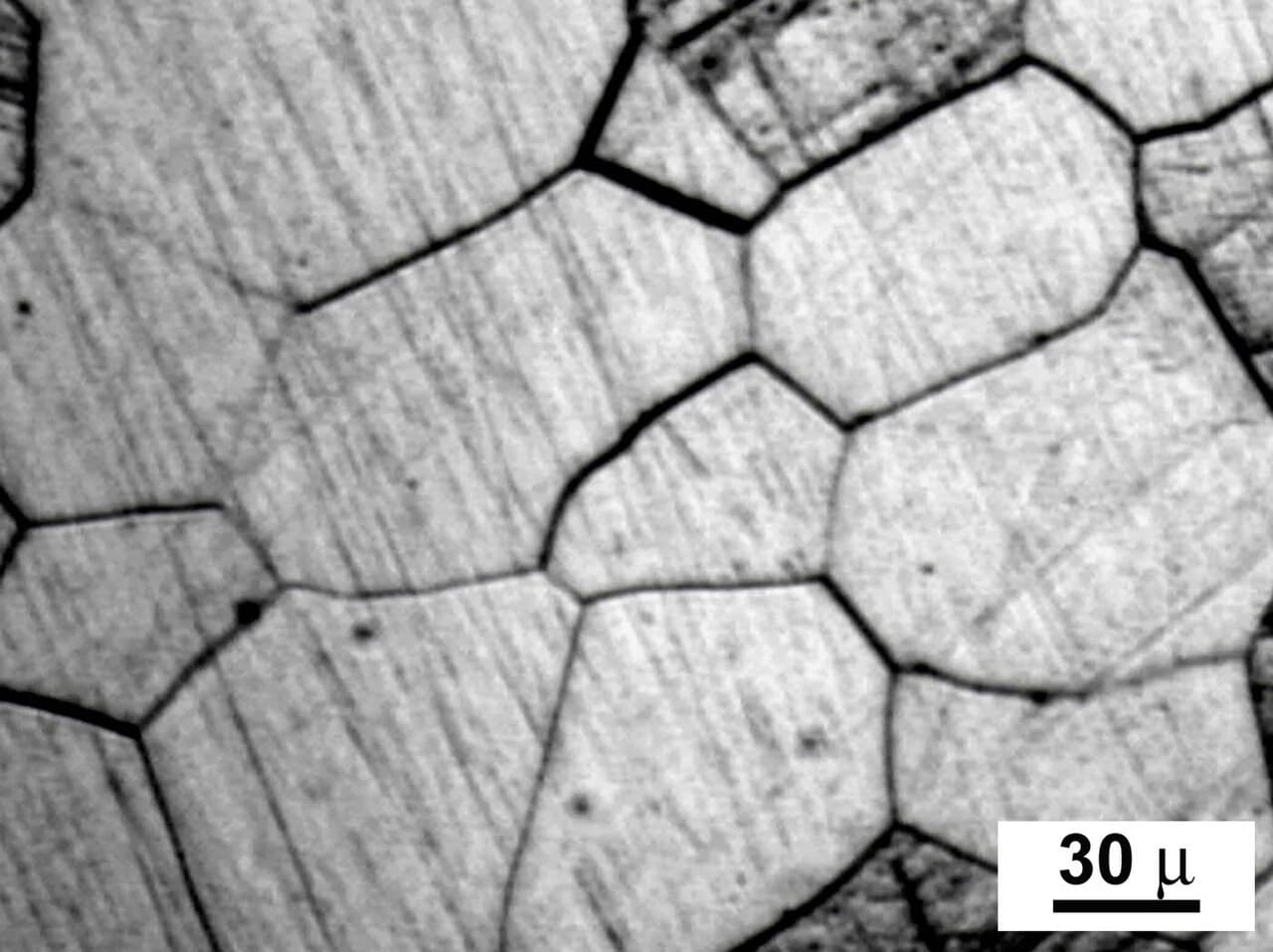
A gradient that banded, and the three pixels of roofline that make it worth keeping.

Spot-metered sunlight turns a brutalist facade into accidental typography—formwork grain, tie-holes, and one red jacket for scale.
Film grain isn't a flaw—it's a signature of analog beauty that adds depth, emotion, and authenticity to every frame. Discover why we should embrace it.
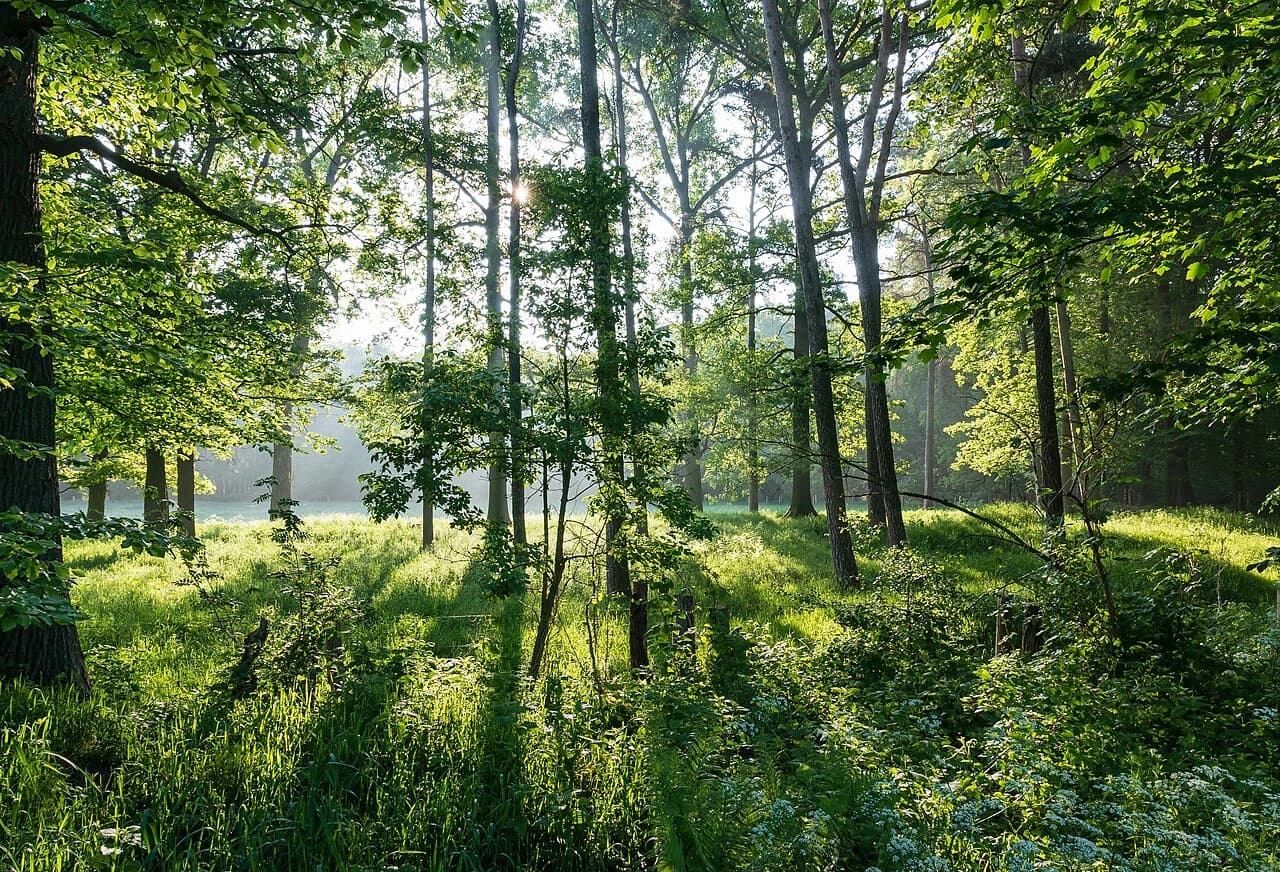
Each emulsion has an opinion about color, contrast, and grain before you've framed anything — choosing a film is choosing an argument.
Grain isn't a flaw to be cleaned up — it's the fingerprint of the film, the developer, and the moment. Here's why I print it instead of erasing it.

Patina is just evidence, a ledger of contact kept in mineral and oil. A photo essay on the surfaces that remember being used.
