

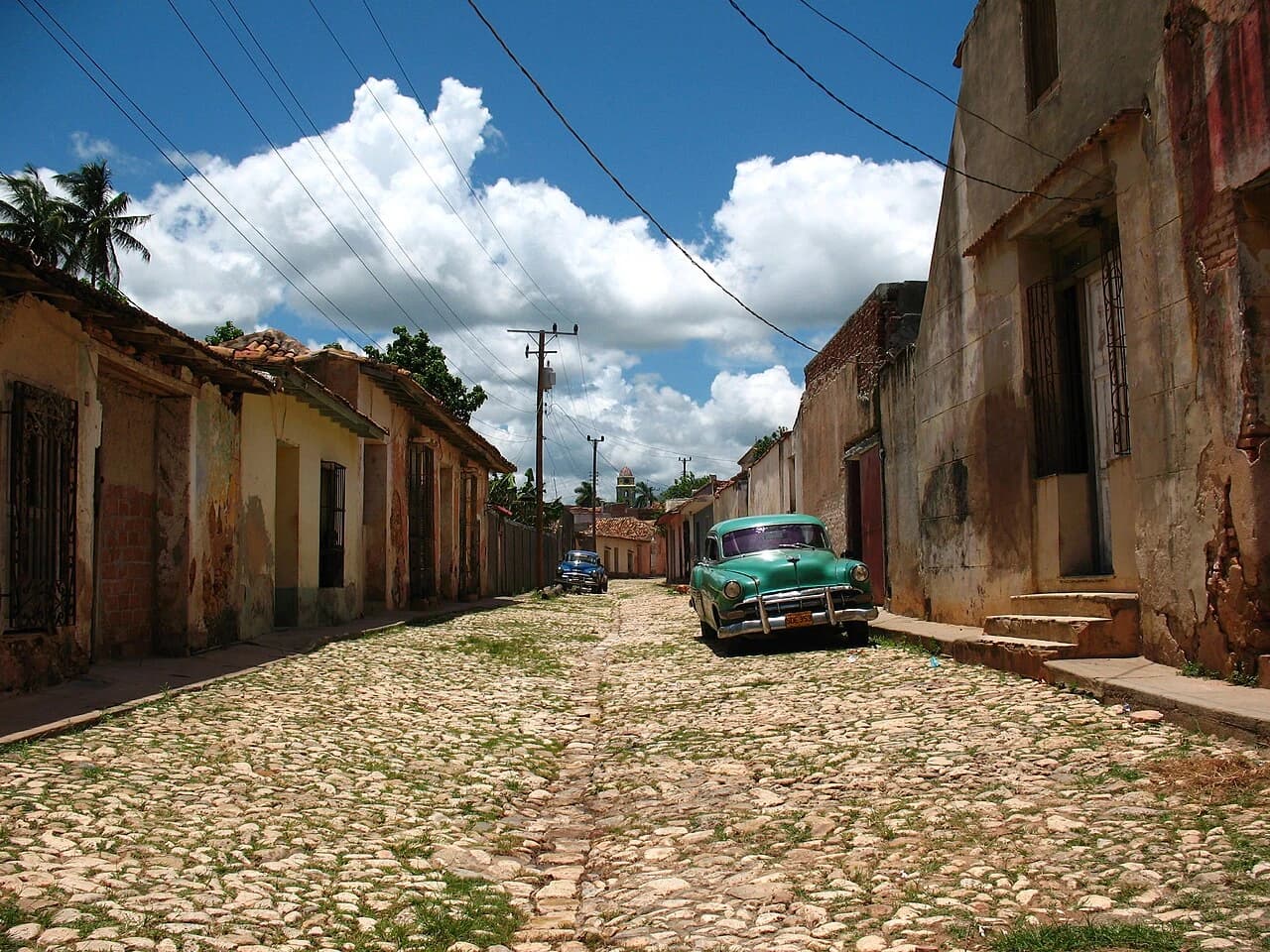
Digital noise is a defect to be silenced; film grain is a signature. Here's why chasing grain-free scans was making my prints worse, not better.
Digital noise is a defect to be silenced; film grain is a signature. Here's why chasing grain-free scans was making my prints worse, not better.
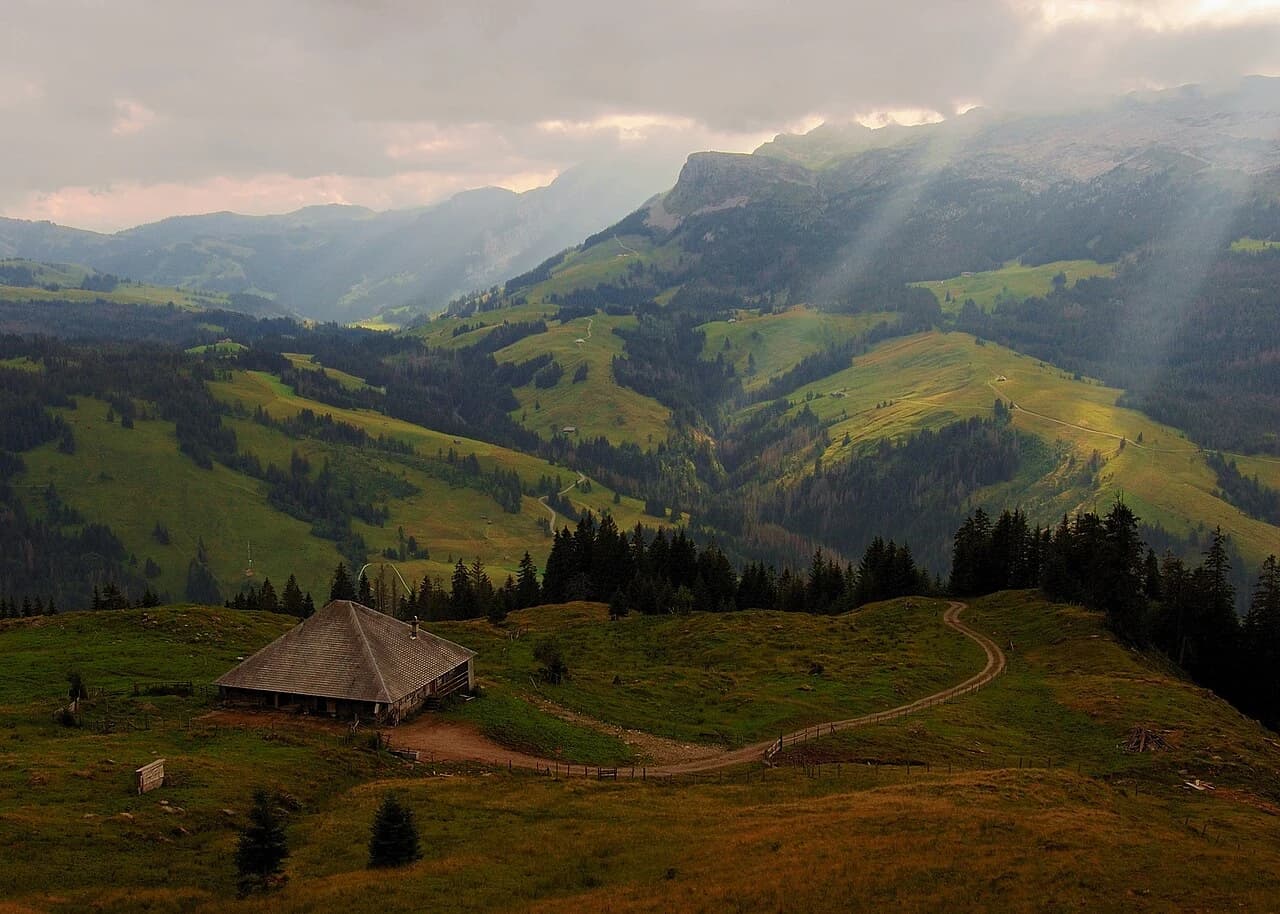
An hour of unplanned walking with one roll of Portra 400: what the contact sheet kept, and why four frames out of thirty-six was enough.
Discover the meditative practice of the 35mm walk, where every step and every frame teaches you to see the world anew.
A 35mm walk is a practice in slow seeing—one camera, one lens, thirty-six frames, and the quiet discipline of paying attention. Discover how the limitations of film turn an ordinary stroll into a meditation on light, gesture, and the art of being present.
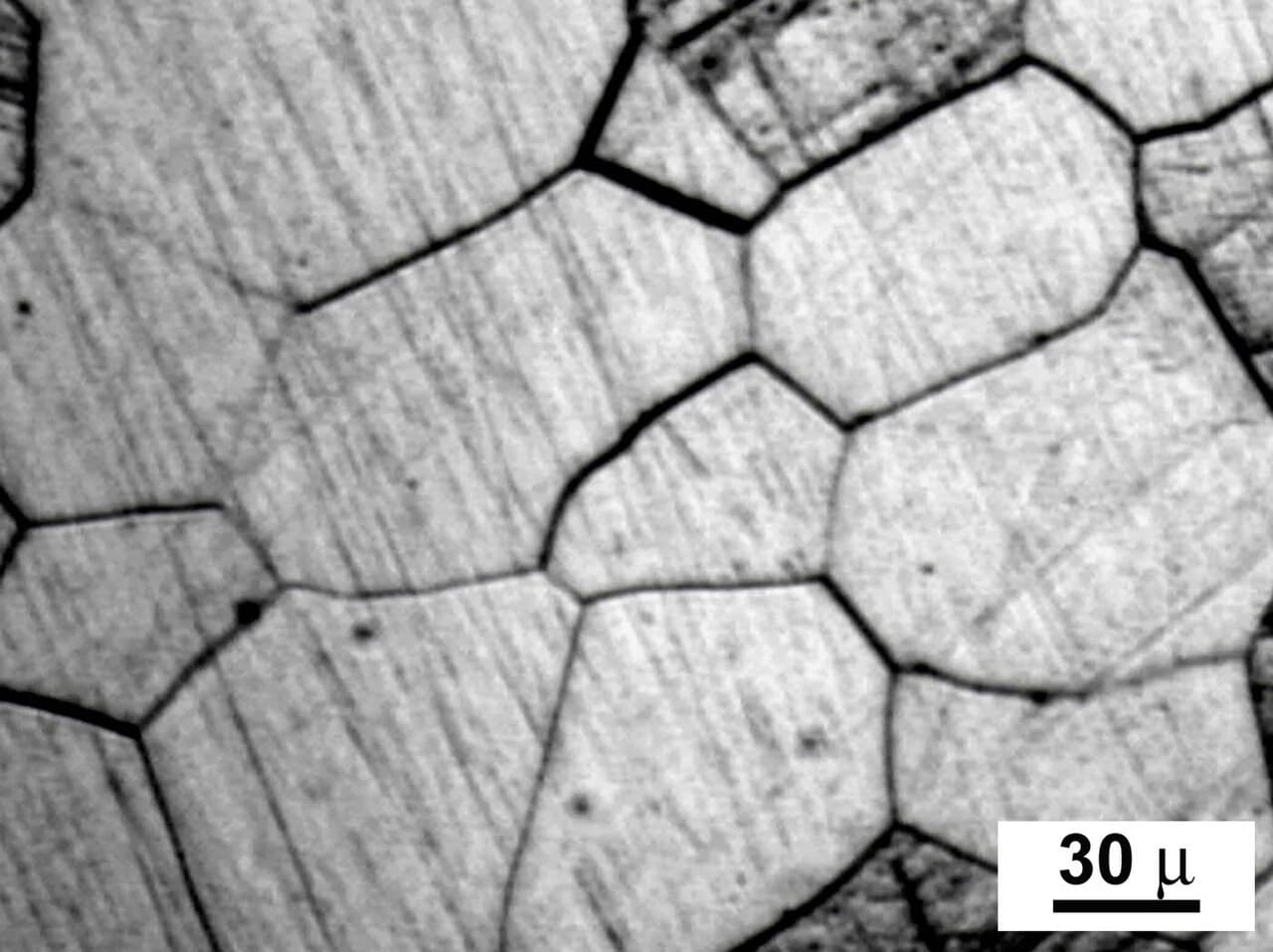
A gradient that banded, and the three pixels of roofline that make it worth keeping.
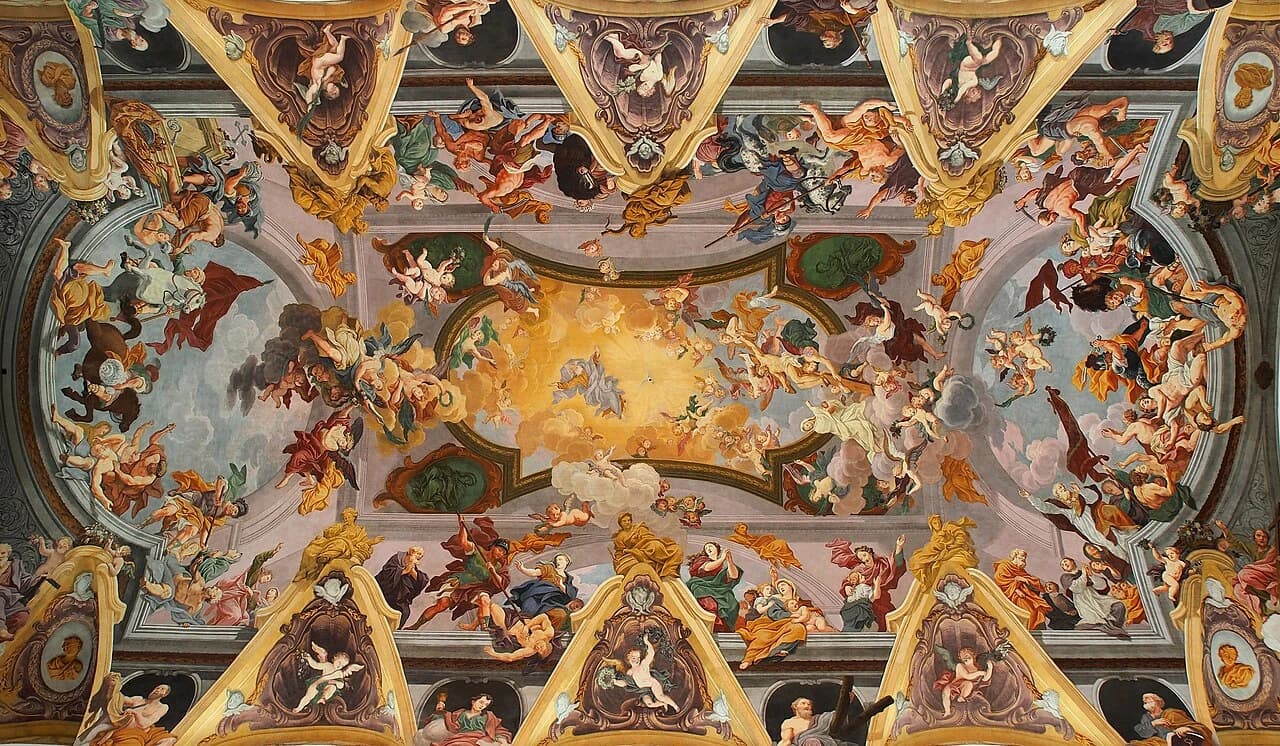
Blue hour, a rotating beacon, and a 35mm lens: how eleven minutes of fading light turned a working harbor into a single frame.
One roll of Portra 400, one hour in the market district, no second chances — a walk filmed from the photographer's side of the viewfinder.
My first roll developed at home comes out of the tank wet, silver, and entirely mine — thirty-six frames of proof that light and chemistry can still surprise me.
A film stock is less a recording medium than a mood machine. Here's how Portra, CineStill, HP5, Ektar, and Pro 400H each bend a scene toward a distinct emotional temperature.
One frame per block, one roll of 36, and a walk that ended wherever the film did — a constraint that taught me more about seeing than any new lens.
