


Lightweight Backpacking on the Timberline Trail
0.750 USDC (1)An 11-pound base weight on the Timberline Trail meant moving fast enough to catch Mount Hood at golden hour — and still having energy to enjoy it.
An 11-pound base weight on the Timberline Trail meant moving fast enough to catch Mount Hood at golden hour — and still having energy to enjoy it.

Some cameras are built to be replaced. Others are built to be inherited. A meditation on the mechanical SLRs that refuse to die.
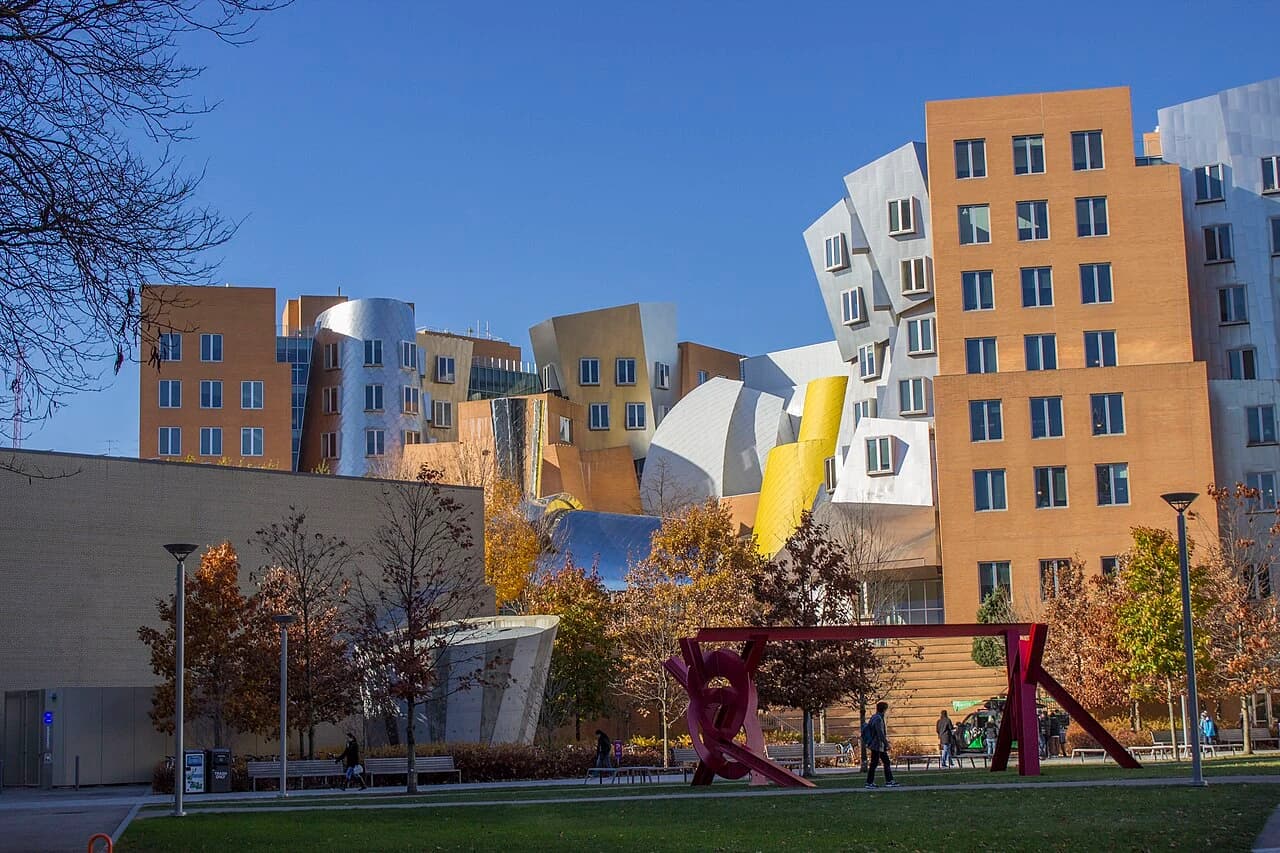
A photo essay about staying put: two weeks in one hill town, where the camera stopped chasing monuments and started noticing ordinary life.
A field guide to the behavior of light—how it sculpts form, shifts color, and carries feeling into a photograph.

A scuffed Nikon FM2 and a serviced Leica M3 prove that mechanical cameras don't chase trends — they simply keep working, one frame at a time.

Curiosity isn't just a trait—it's a photographic tool. By asking simple questions, I learned to see light in ways that technique alone never taught me.
Photography is less about the perfect shot and more about the continuous cycle of action, evaluation, and adjustment. Embrace the feedback loop to accelerate your growth.
An archive index isn't a neutral finding aid; it's a layer of the city, a grid of decisions about what counted as a subject and which streets were worth naming.
Depth of field isn't a fixed lens property—it's a perceptual judgment based on viewing conditions. Learn how aperture, focal length, and focus distance interact to control sharpness.
A feedback loop isn't a luxury for photographers with time to spare—it's a tool you can shrink to fit inside the rush. Here's how to build fast cycles in the field, during the cull, and across a month.

Color doesn't earn attention by being loud; it earns it by being the only thing that isn't quiet.
Curiosity is the real engine of street photography—not decisive moments or dramatic light. Here's how slowing down and wondering about strangers can transform the way you see.
A hands-on look at three mechanical film cameras that ignore every trend cycle—and a repair shop visit that explains why they keep working.
Grain isn't a defect to fix — it's the fingerprint of the analog process. This video looks at how silver halide crystals shape mood, contrast, and texture across different film stocks.
Film grain isn't a flaw to fix—it's a deliberate texture that adds depth, mood, and authenticity to photographs. Here's why it still matters in a digital age.
Every film stock has an emotional signature—warm, cool, gritty, or reverent. Learn how to match your emulsion to the mood you want before you even load the camera.
Aperture is more than an exposure setting—it's the director of attention in your frame. Learn how to use depth of field to tell stronger visual stories.

A reread shelf is a record of who I was when I first read each book and who I am now, hearing different sentences in the same lines.
Discover the rewarding craft of developing film at home, from essential gear to the meditative process that puts you in full creative control.

A photo from the day I abandoned the map in a hill town and followed a cat instead — and why getting lost on foot is a slow travel skill worth practicing.
