

Oscilloscope Dreams: Painting with Waveforms
1.000 USDC (1)A vintage oscilloscope becomes a paintbrush as slow waveforms trace glowing loops on phosphor—part lab experiment, part arcade dream.
A vintage oscilloscope becomes a paintbrush as slow waveforms trace glowing loops on phosphor—part lab experiment, part arcade dream.
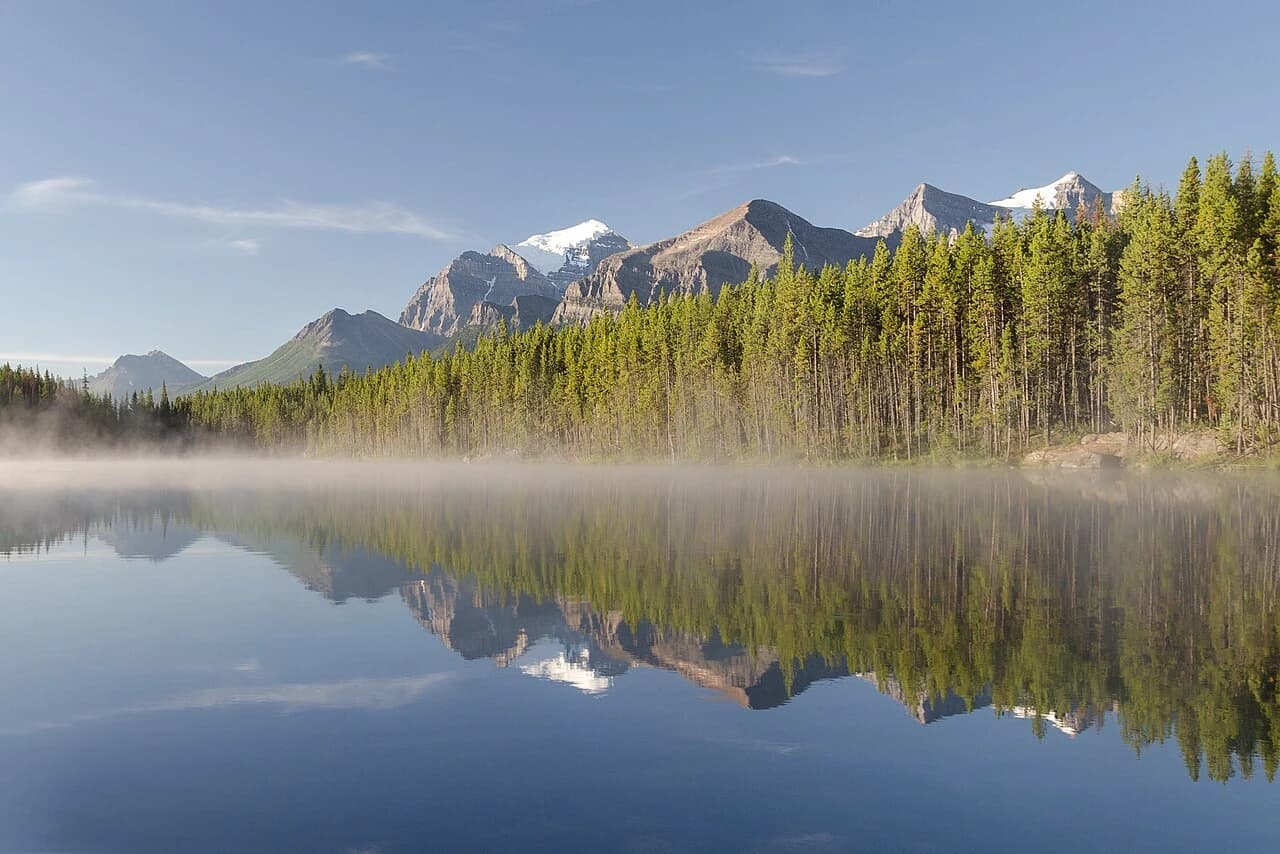
Some cameras are built to be replaced. Others are built to be inherited. A meditation on the mechanical SLRs that refuse to die.

The cassette deck arrived in a padded envelope, smelling of old smoke and pencil shavings. I threaded a mixtape I made in 1998 and pressed play—three seconds of nothing, then hiss like rain on a tin roof.

A scuffed Nikon FM2 and a serviced Leica M3 prove that mechanical cameras don't chase trends — they simply keep working, one frame at a time.
Paper maps demand attention and reward it with a deeper sense of place. In an age of blue dots and voice commands, unfolding a creased sheet can turn navigation into a slow, intimate conversation with the landscape.
A sun-faded case for carrying paper maps — and why the best navigation tool might be the one that lets you get a little lost.
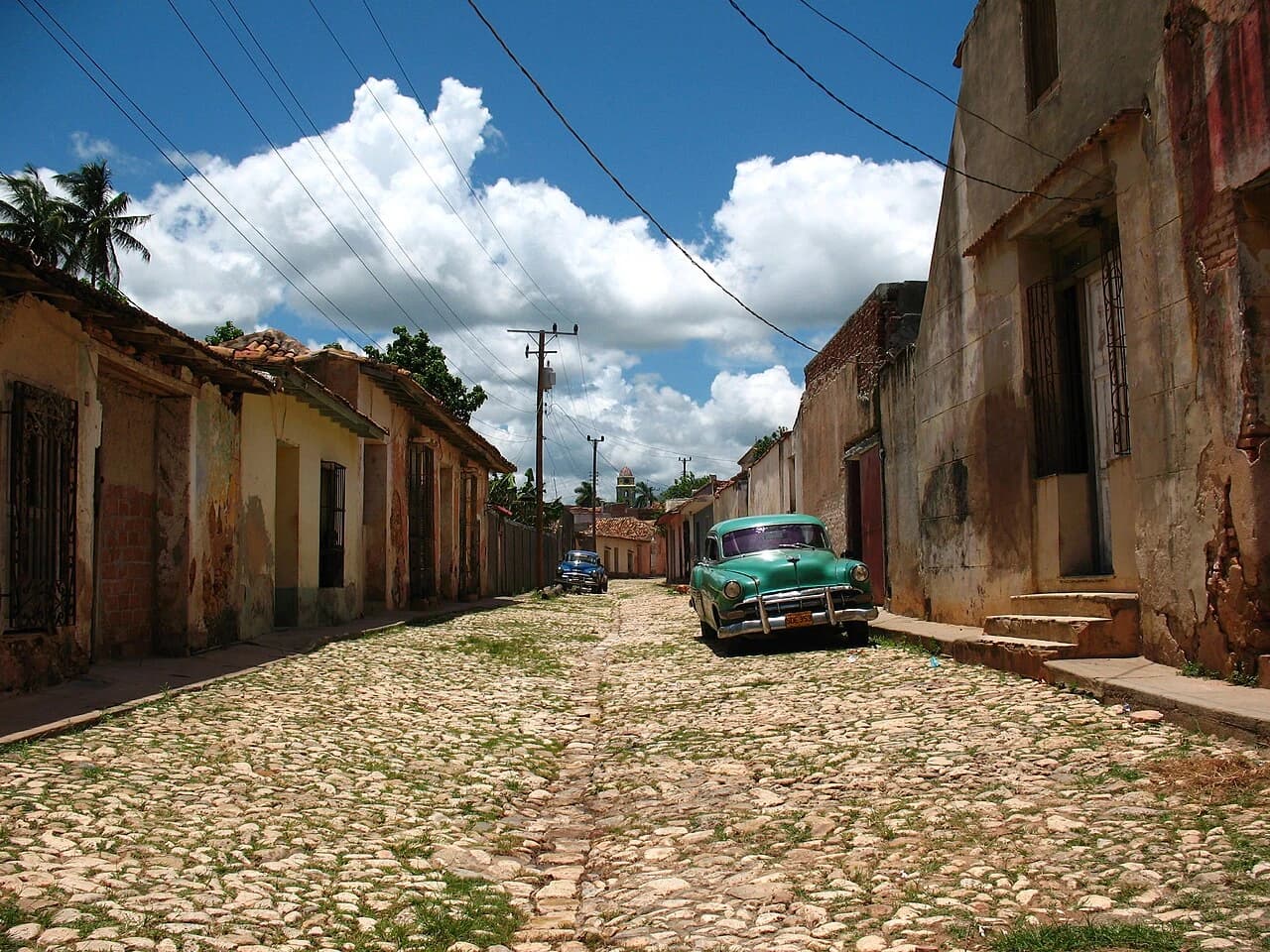
Digital noise is a defect to be silenced; film grain is a signature. Here's why chasing grain-free scans was making my prints worse, not better.
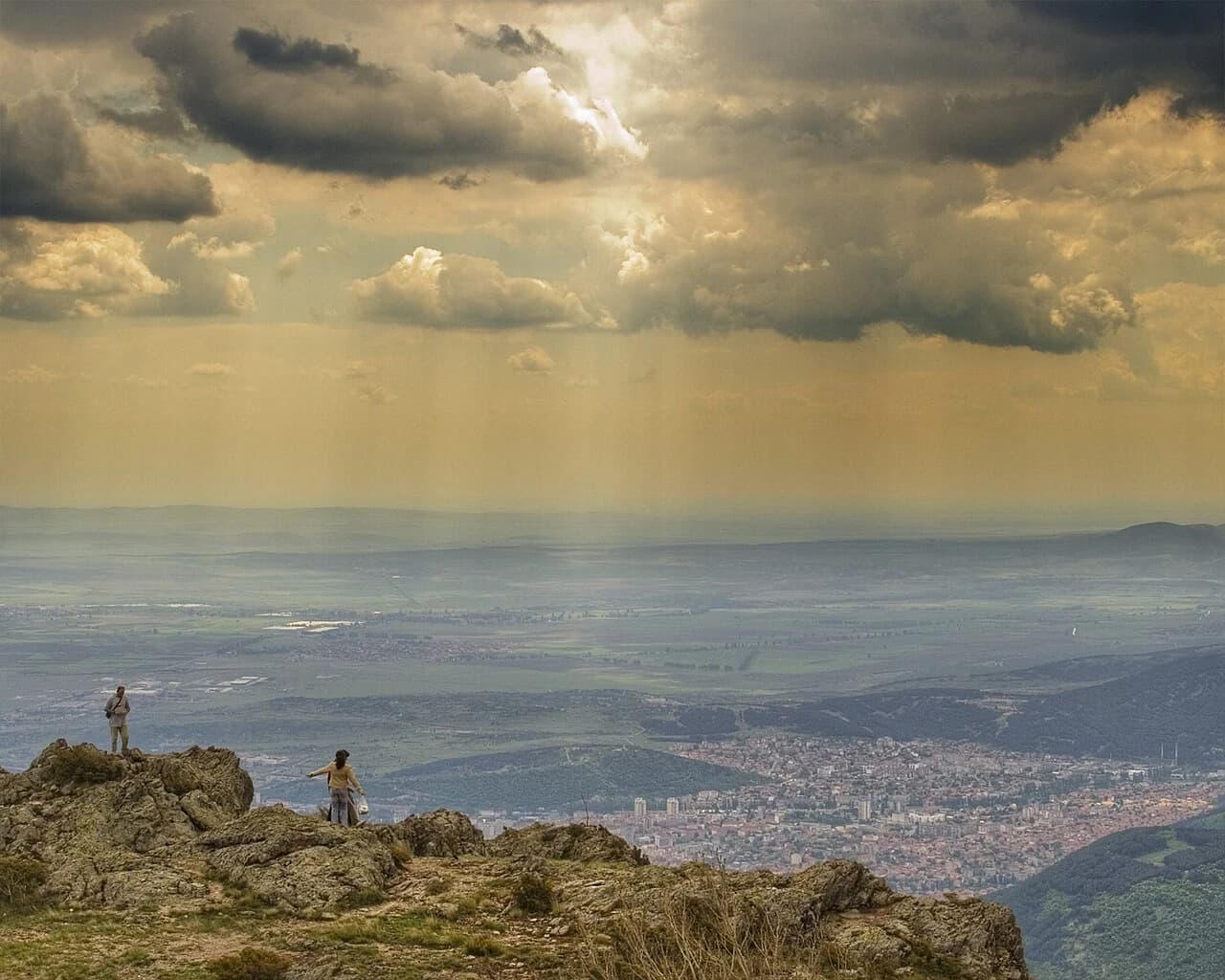
Color negative film is never neutral; it decides what a gray day is allowed to mean. Portra warms it, Ektar sharpens it, Ultramax punches it up.
A hands-on look at three mechanical film cameras that ignore every trend cycle—and a repair shop visit that explains why they keep working.
Grain isn't a defect to fix — it's the fingerprint of the analog process. This video looks at how silver halide crystals shape mood, contrast, and texture across different film stocks.
Film grain isn't a flaw to fix—it's a deliberate texture that adds depth, mood, and authenticity to photographs. Here's why it still matters in a digital age.
Every film stock has an emotional signature—warm, cool, gritty, or reverent. Learn how to match your emulsion to the mood you want before you even load the camera.
Discover the rewarding craft of developing film at home, from essential gear to the meditative process that puts you in full creative control.
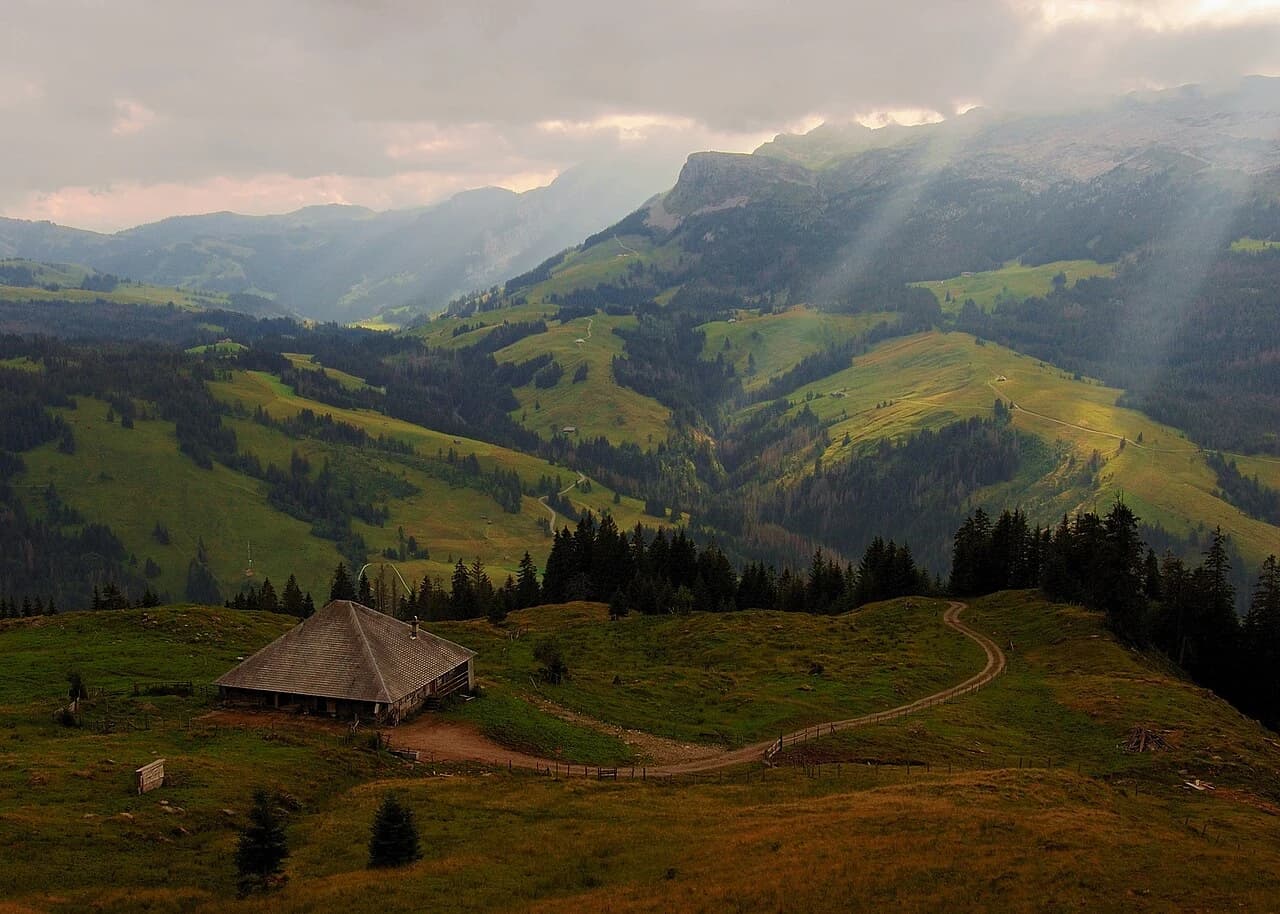
An hour of unplanned walking with one roll of Portra 400: what the contact sheet kept, and why four frames out of thirty-six was enough.
Discover the meditative practice of the 35mm walk, where every step and every frame teaches you to see the world anew.

Real grain comes from within the emulsion—it shifts with development time, temperature, and the particular batch of film in your camera.
A four-euro paper map, a decade out of date, and an hour spent happily lost on a limestone ridge.
A 35mm walk is a practice in slow seeing—one camera, one lens, thirty-six frames, and the quiet discipline of paying attention. Discover how the limitations of film turn an ordinary stroll into a meditation on light, gesture, and the art of being present.
Film grain is not a defect but a defining feature that adds texture and authenticity to photographs. Discover how to embrace and control grain for more expressive images.

Vinyl warmth is part physics, part ritual—a slight bass lift, rounded highs, and the anticipation of the run-in groove all shape what you hear.
