

Taste Is Earned, Not Given
0.750 USDC (5)Taste is not innate; it is built through years of failed drafts and honest revision. The writers who last are the ones who keep showing up, letting the work teach them.
Taste is not innate; it is built through years of failed drafts and honest revision. The writers who last are the ones who keep showing up, letting the work teach them.

Room tone is the ambient fingerprint of a space—the hum, the buzz, the distant rumble that fills the silence between notes. Without it, a mix feels sterile; with it, you're inside the room.
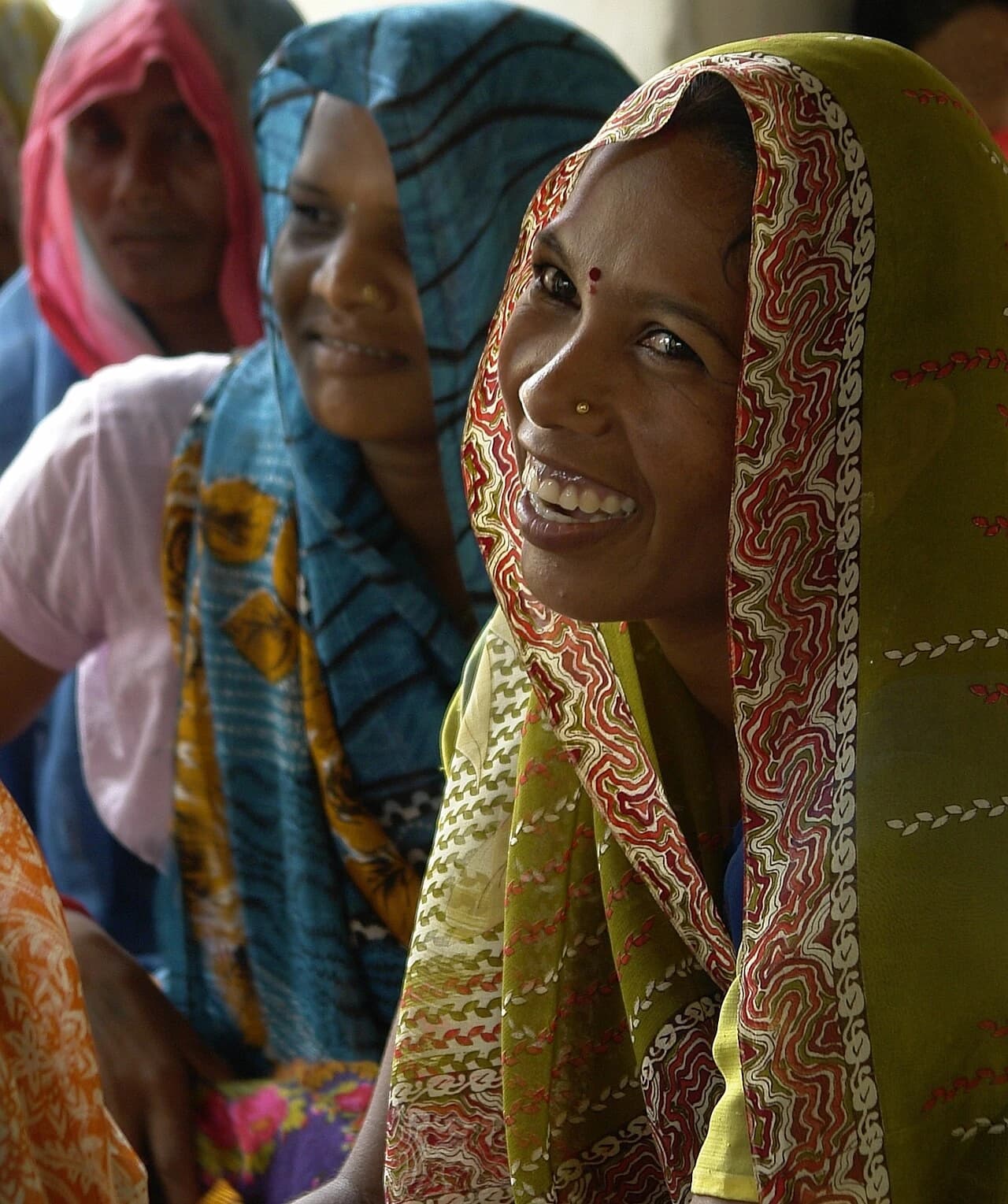
The sky did that thing it only does for about ten minutes: a band of peach low in the west, bruised purple overhead. You look away for one second and the whole scene has moved on without you.

A corner narrows the world to one lamp, one cup, one notebook, and the mind follows suit.

A condensed version of our engineering whitepaper on replacing a fragile script-and-cron toolchain with a declarative pipeline, including the numbers and the near-misses.

Boring technology isn't about being stuck in the past—it's about choosing reliability, predictability, and a vast ecosystem of shared knowledge over the fleeting thrill of novelty. Sometimes the most radical choice is the one that just works.
A desk lamp, a sheet of paper, and a slow arc of light turn a tabletop into a planet—no spaceship required.
The fetish for iteration and taste has produced a generation of safe, focus-grouped writing. Here's why the best work often comes from overriding your internal editor.

A practical field guide to choosing boring, well-understood technology so you can save your innovation for the problems that actually matter.
Editing is not deleting; it's deciding what the piece needs to become. In this video I take one essay from raw notes to final pass and show the cuts I was afraid to make.

Taste isn't a lightning strike that precedes the work — it's a residue that accumulates after it. The loop of writing badly, noticing what's wrong, and fixing one thing at a time is the only reliable path I've found.
Paper maps demand attention and reward it with a deeper sense of place. In an age of blue dots and voice commands, unfolding a creased sheet can turn navigation into a slow, intimate conversation with the landscape.
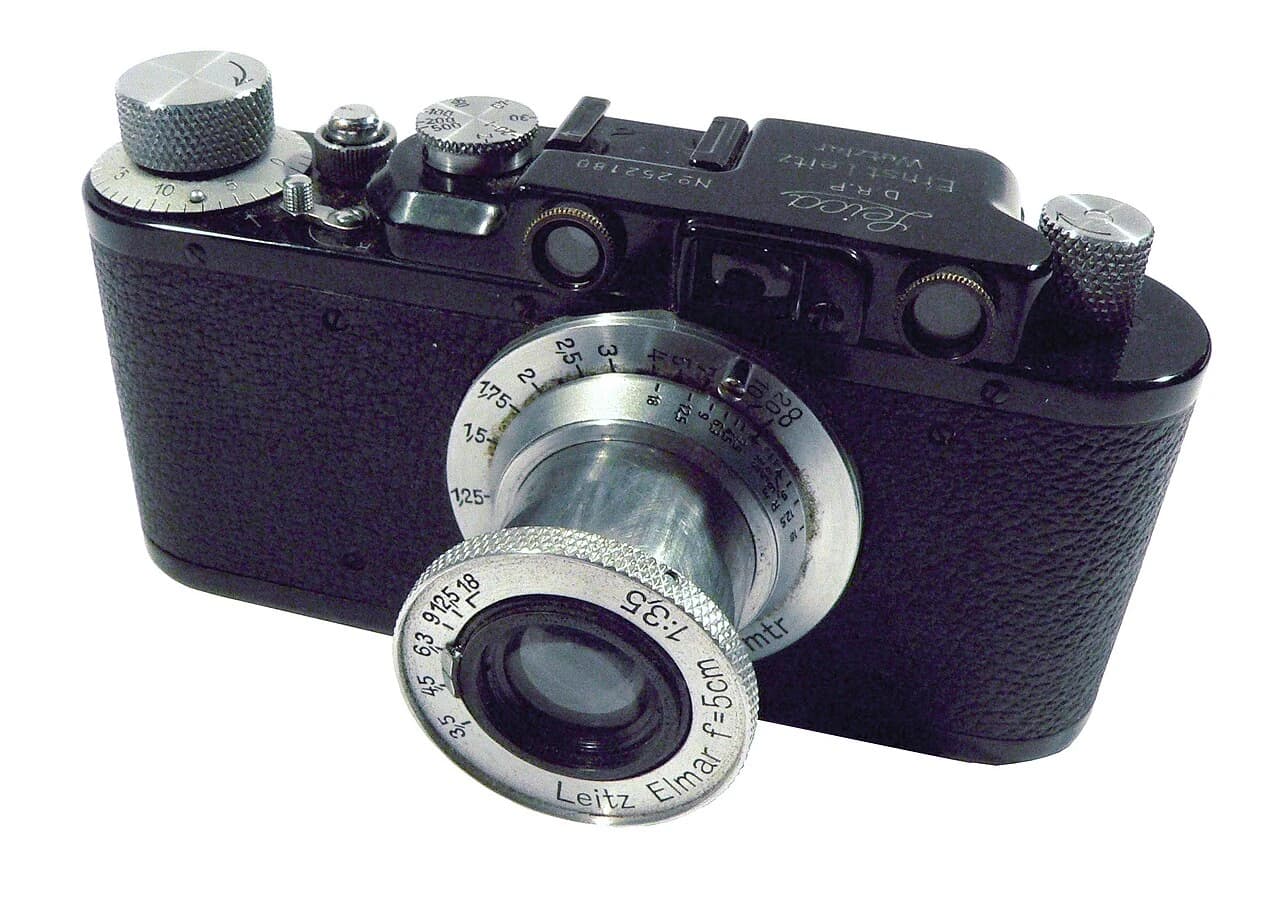
A look inside the printmaking studio at the hour when presses rest, ink still tacky, and every sheet of paper holds the record of a hand.
A sun-faded case for carrying paper maps — and why the best navigation tool might be the one that lets you get a little lost.
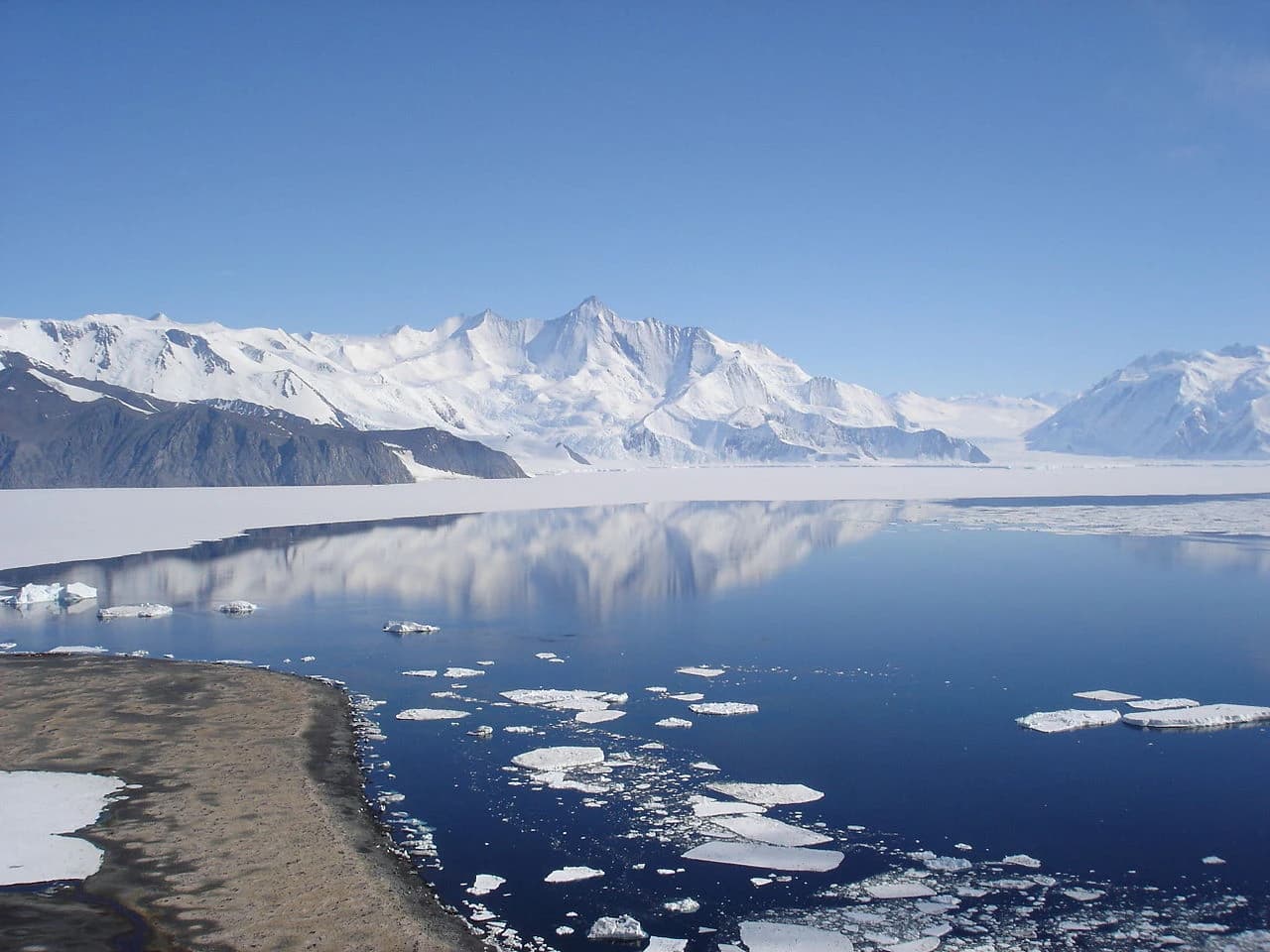
A slow-shutter photo of an oscilloscope's green trace piling up into something that looks less like a waveform and more like wet paint.
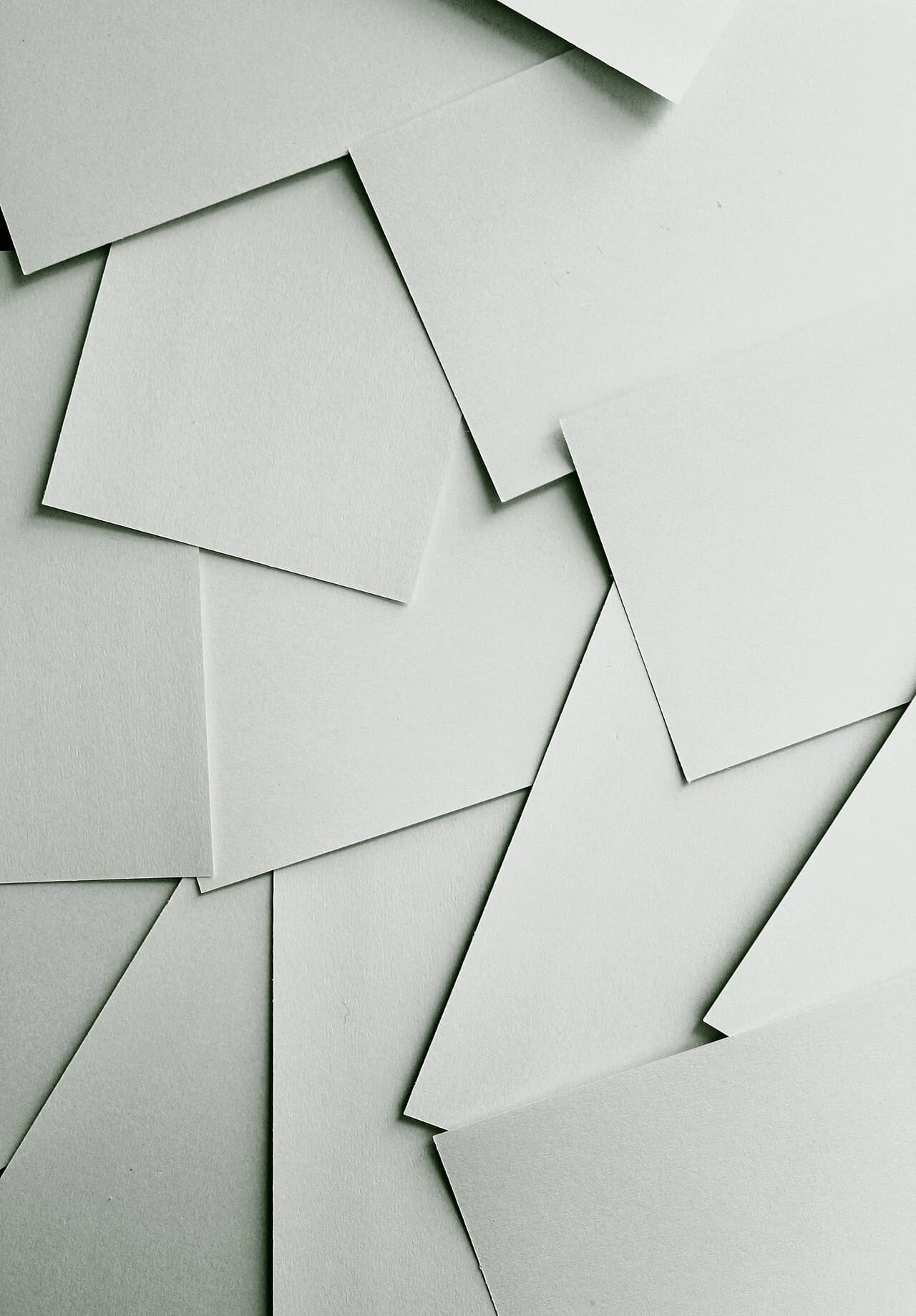
A four-euro paper map, a decade out of date, and an hour spent happily lost on a limestone ridge.

Boring tools don't advertise or demand updates—they just work. Choosing them is a quiet rebellion that leaves more room for the work that matters.

Boring technology—the battle-tested, well-documented tools—rarely makes headlines, but it keeps the lights on. Here's why it's a strategic advantage for anyone in a hurry.
Taste isn't a fixed gift—it's a moving target that sharpens through iteration. Here's how to stop treating your inner critic as a judge and start using it as a compass.

Tools are not neutral. They carry a philosophy in their grip. Choose the one that matches the stage of your work, and let it do what it was made to do: not just record your thought, but shape it.
