

How to Read Mountain Weather Before It Turns
0.500 USDC (1)A field guide to the cloud shapes, wind shifts, and pressure drops that tell you when to keep climbing and when to bail.
A field guide to the cloud shapes, wind shifts, and pressure drops that tell you when to keep climbing and when to bail.
Paper maps demand attention and reward it with a deeper sense of place. In an age of blue dots and voice commands, unfolding a creased sheet can turn navigation into a slow, intimate conversation with the landscape.
A sun-faded case for carrying paper maps — and why the best navigation tool might be the one that lets you get a little lost.
When your phone dies in the backcountry, map, compass, and natural signs can guide you home. Learn the timeless skills that keep you found when the signal fades.
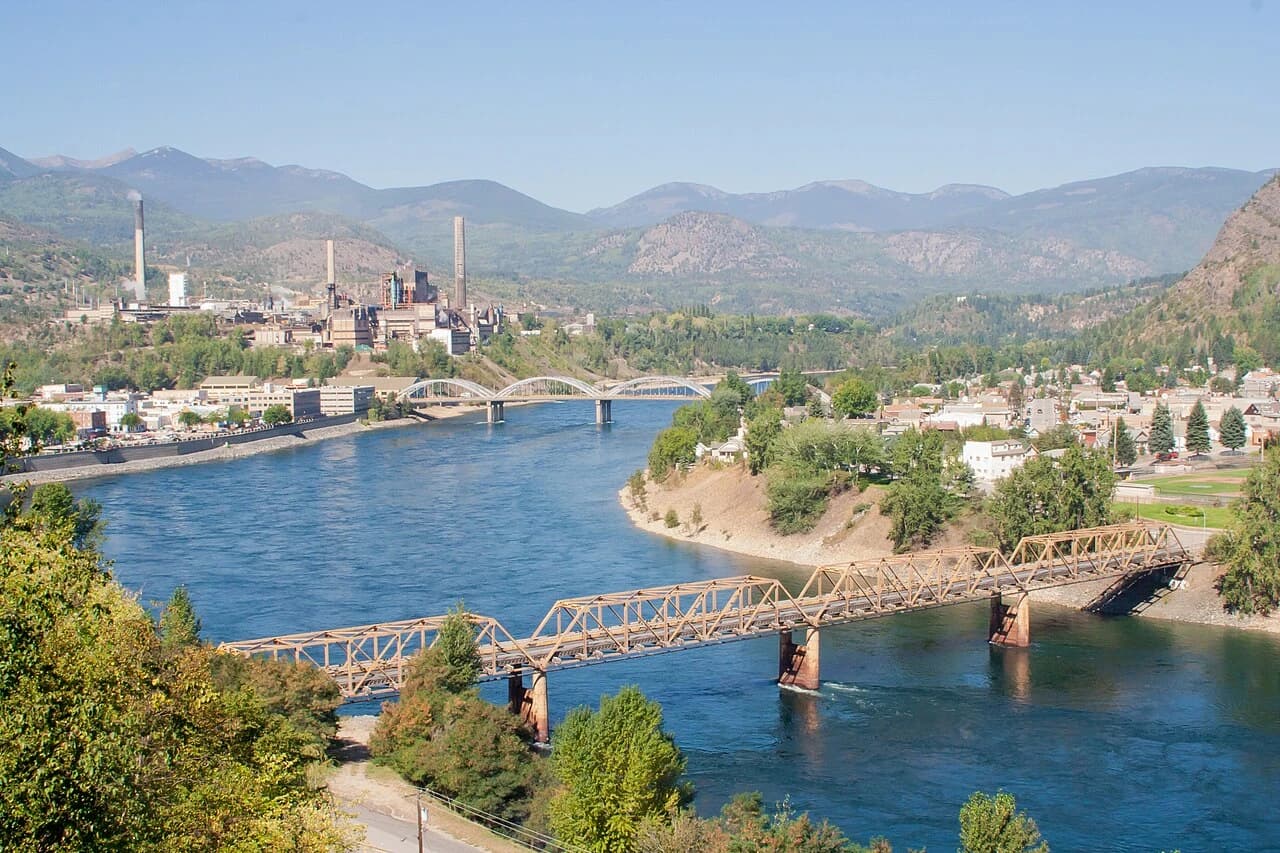
A dead phone on a granite apron turned into a lesson in map, compass, and cairns—and the quiet confidence of knowing where you stand without a blue dot.
Your phone will die, and the bars will vanish. Here's how to read a map, shoot a bearing, and stay found when the signal doesn't come back.
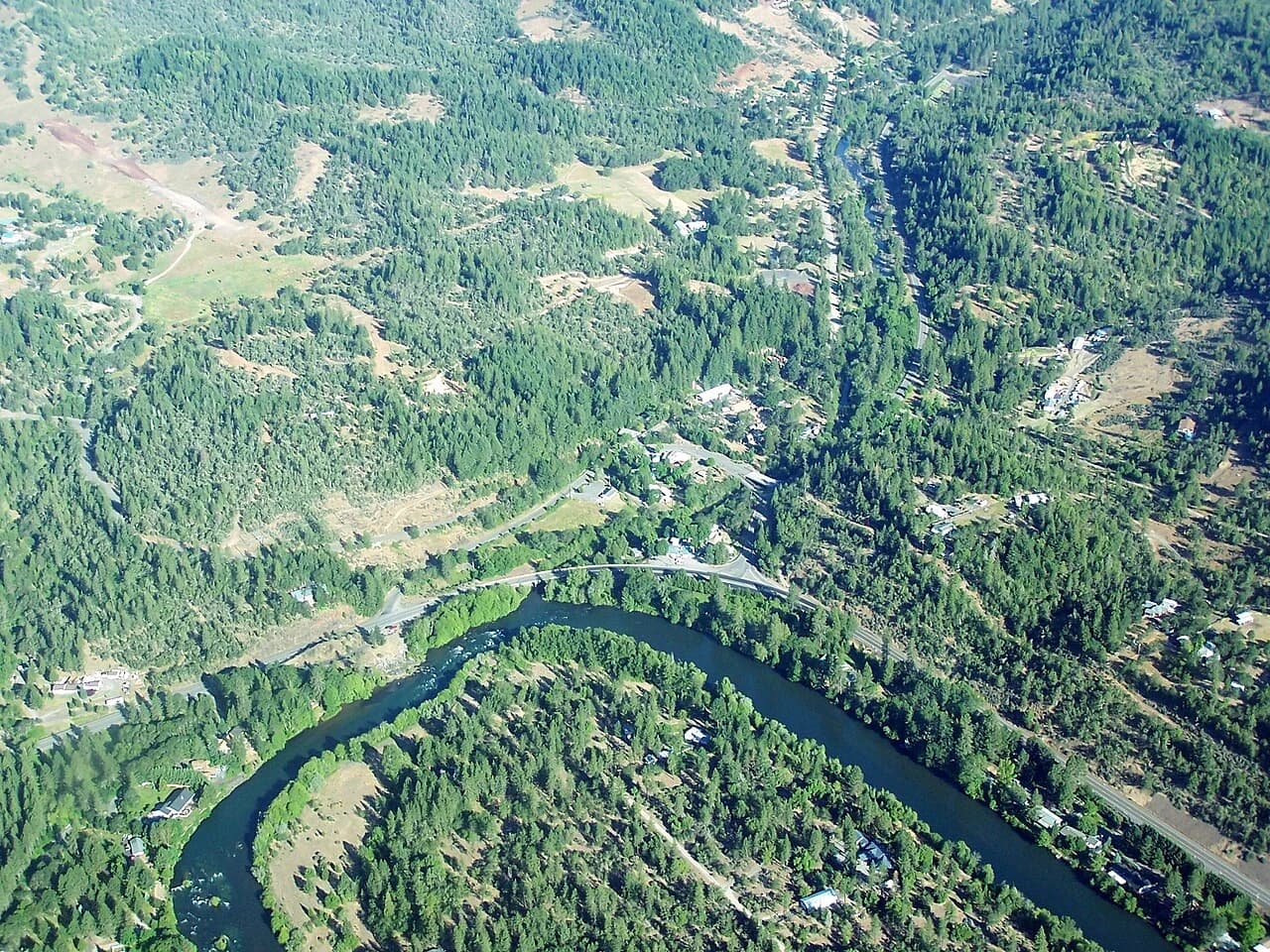
No bars, no problem — just a creased topo map, a compass, and the ridgeline doing the talking.

When the fog swallowed the trail and my phone lost signal, I traded pixels for contour lines and learned to read the landscape itself.
Learn to read cirrus thickening, lenticular caps, and sudden wind shifts so you can bail before the storm hits. Mountain weather gives you clues—if you know where to look.
A paper map, creased and coffee-stained, still knows things a screen forgets — like how to get pleasantly lost.
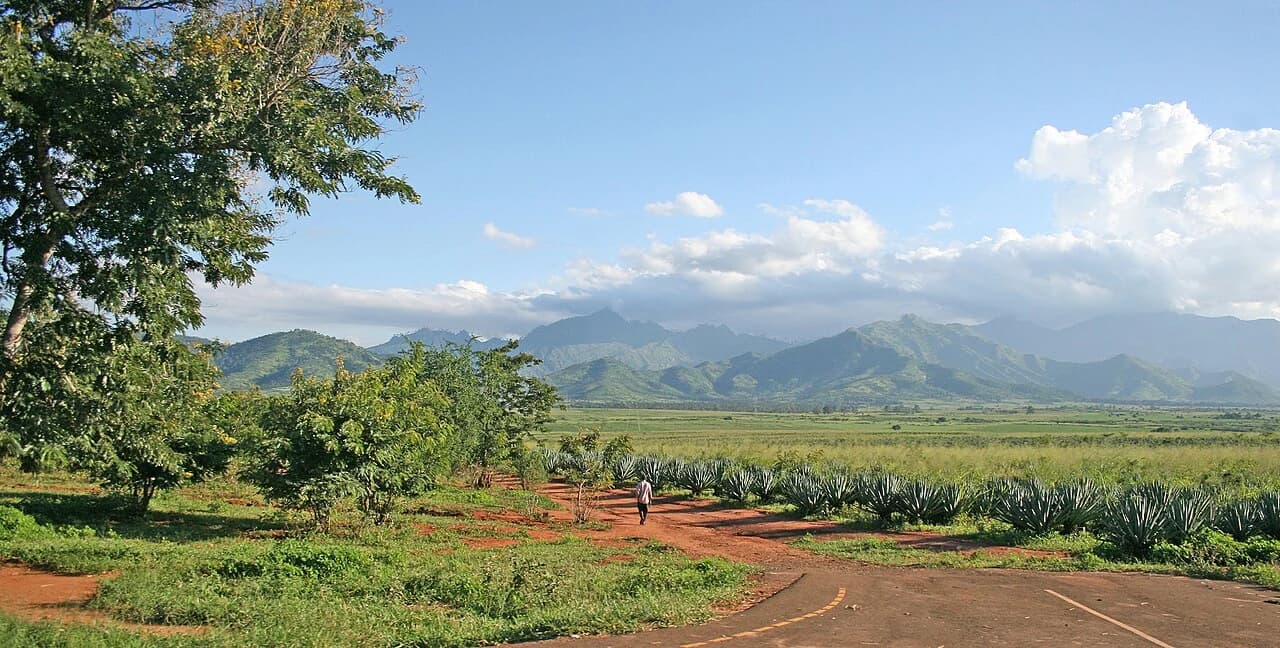
When the bars vanish and the trail doesn't, the ridgeline becomes your map — if you know how to read it.
The first five minutes at a trailhead can predict your entire hike. Here's how to start slow, stay curious, and let the trail introduce itself.
A paper map doesn't just show you where to go—it gives you permission to wander. On a slow journey, the creases, blanks, and worn edges become a companion rather than a commander.
