


The Quiet Endurance of Mechanical Cameras
0.750 USDC (1)Some cameras are built to be replaced. Others are built to be inherited. A meditation on the mechanical SLRs that refuse to die.
Some cameras are built to be replaced. Others are built to be inherited. A meditation on the mechanical SLRs that refuse to die.

A scuffed Nikon FM2 and a serviced Leica M3 prove that mechanical cameras don't chase trends — they simply keep working, one frame at a time.
A hands-on look at three mechanical film cameras that ignore every trend cycle—and a repair shop visit that explains why they keep working.
Grain isn't a defect to fix — it's the fingerprint of the analog process. This video looks at how silver halide crystals shape mood, contrast, and texture across different film stocks.
Film grain isn't a flaw to fix—it's a deliberate texture that adds depth, mood, and authenticity to photographs. Here's why it still matters in a digital age.
Every film stock has an emotional signature—warm, cool, gritty, or reverent. Learn how to match your emulsion to the mood you want before you even load the camera.
Discover the rewarding craft of developing film at home, from essential gear to the meditative process that puts you in full creative control.
Discover the meditative practice of the 35mm walk, where every step and every frame teaches you to see the world anew.

Real grain comes from within the emulsion—it shifts with development time, temperature, and the particular batch of film in your camera.
A 35mm walk is a practice in slow seeing—one camera, one lens, thirty-six frames, and the quiet discipline of paying attention. Discover how the limitations of film turn an ordinary stroll into a meditation on light, gesture, and the art of being present.
Film grain is not a defect but a defining feature that adds texture and authenticity to photographs. Discover how to embrace and control grain for more expressive images.
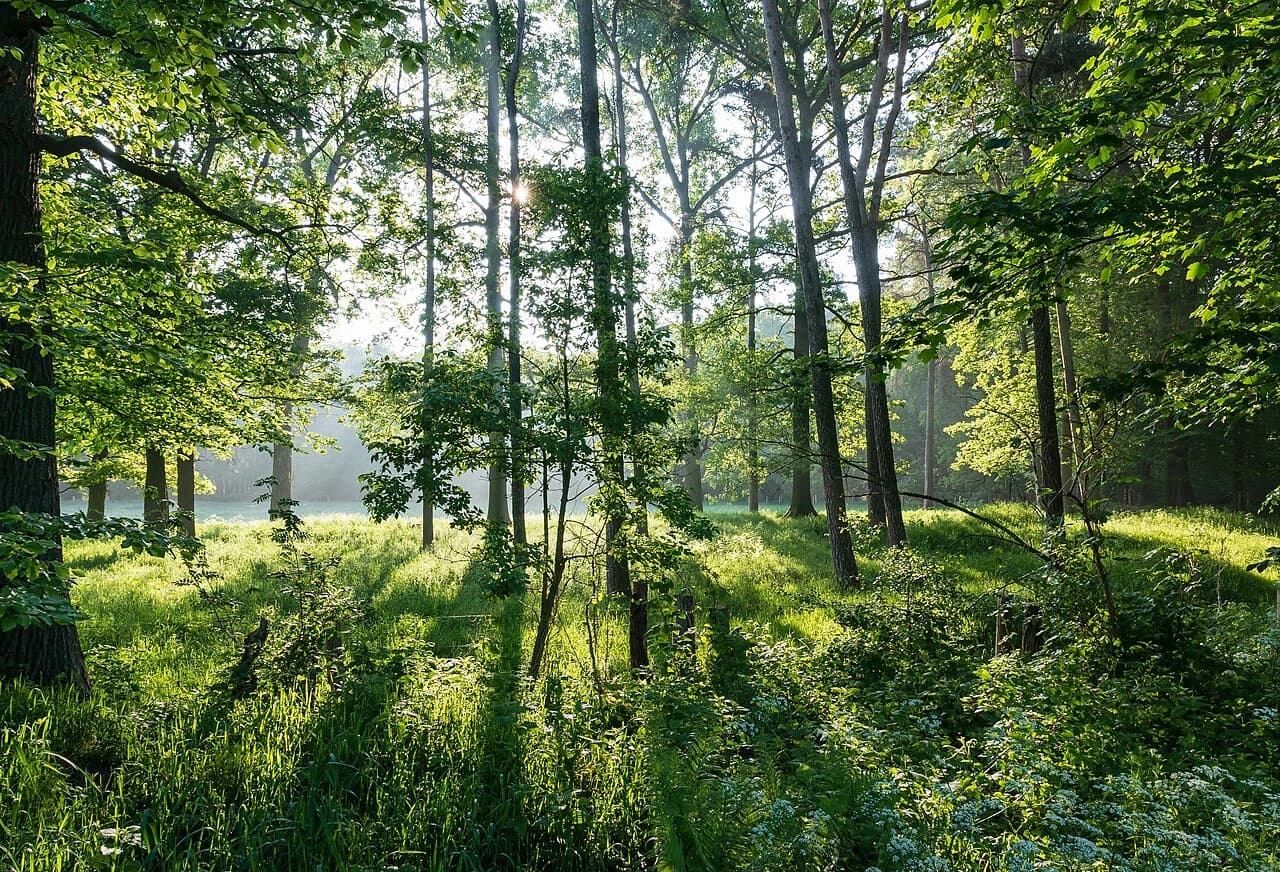
Each emulsion has an opinion about color, contrast, and grain before you've framed anything — choosing a film is choosing an argument.
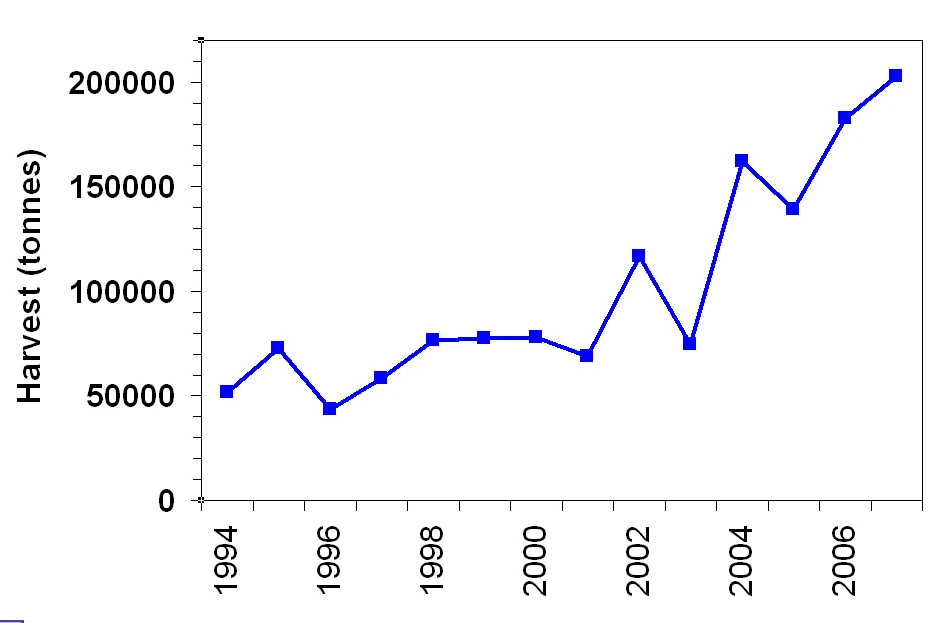
Grain isn't a flaw to be cleaned up — it's the fingerprint of the film, the developer, and the moment. Here's why I print it instead of erasing it.

Feedback loops in photography aren't just technical tools—they're teachers that reshape your instincts. From candle flames to film negatives, here's how listening to the loop changed the way I see light.
One roll of Portra 400, one hour in the market district, no second chances — a walk filmed from the photographer's side of the viewfinder.
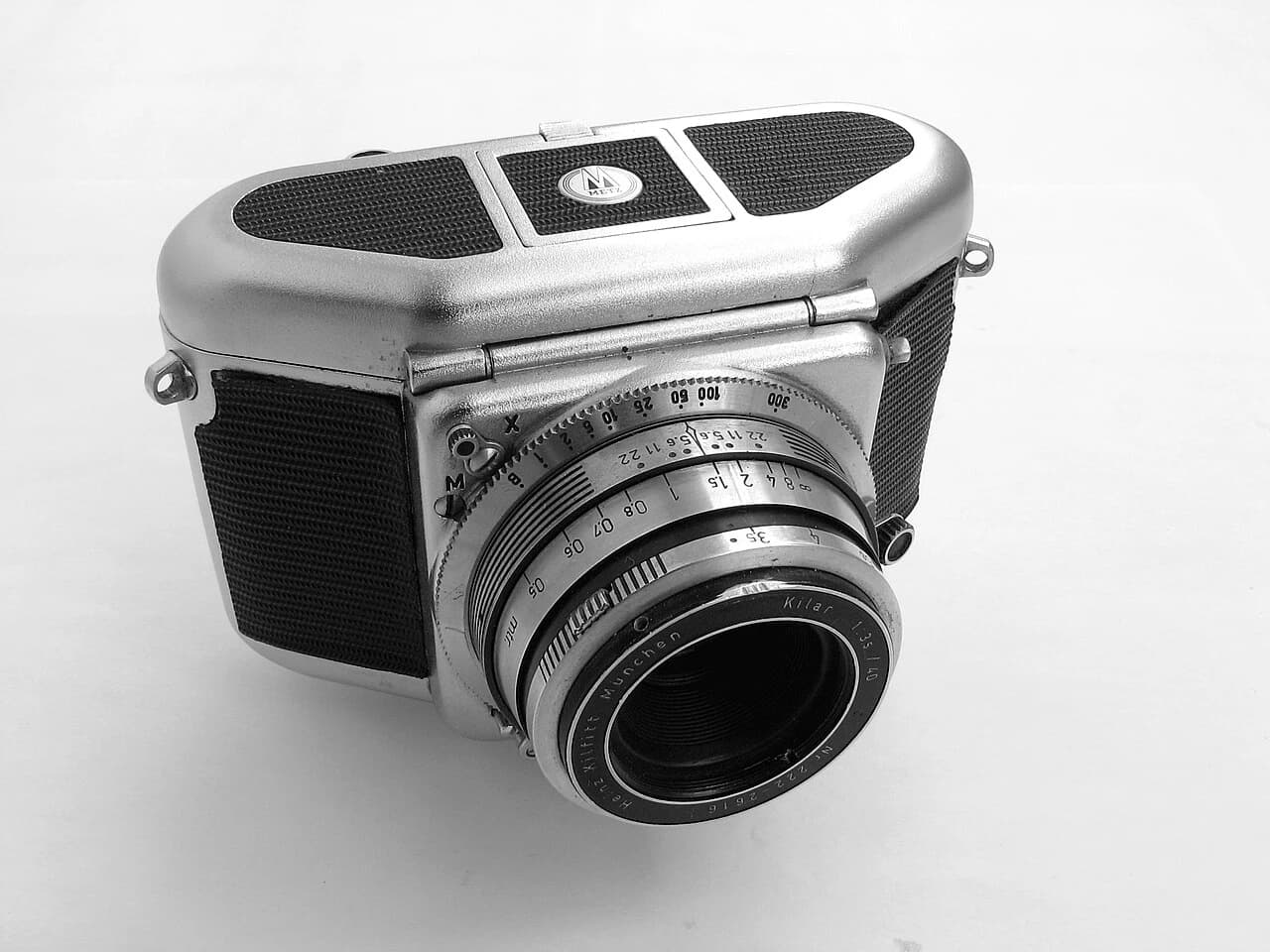
My first roll developed at home comes out of the tank wet, silver, and entirely mine — thirty-six frames of proof that light and chemistry can still surprise me.
