

What Overnight Trains Taught Me About Slow Travel
1.000 USDC (1)Overnight trains aren't a compromise—they're a slower, richer way to travel. Here's what I learned about patience, attention, and why the journey should cost you something.
Overnight trains aren't a compromise—they're a slower, richer way to travel. Here's what I learned about patience, attention, and why the journey should cost you something.
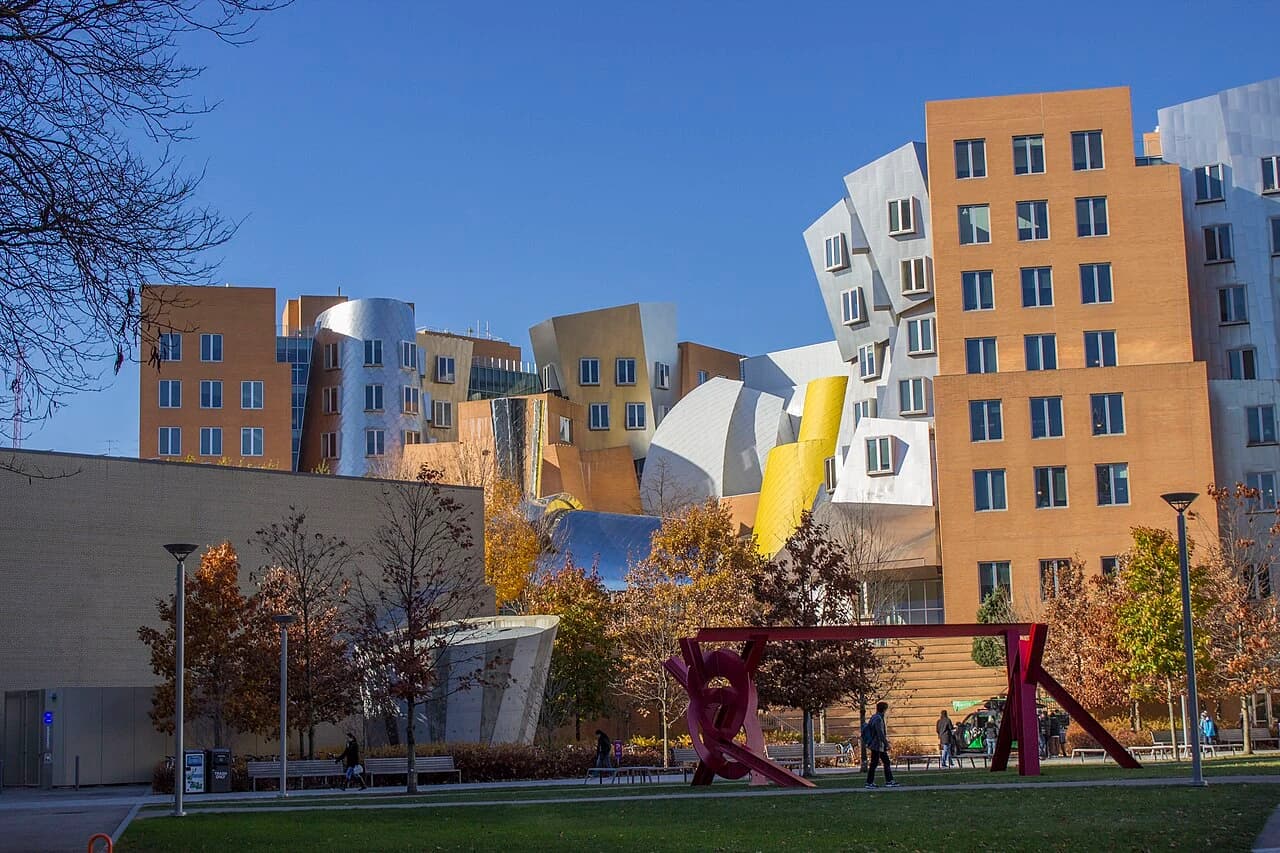
A photo essay about staying put: two weeks in one hill town, where the camera stopped chasing monuments and started noticing ordinary life.
Slow travel isn't about seeing less—it's about seeing deeply. This manifesto argues for staying put, embracing boredom, and letting a place reveal itself at its own pace.
Paper maps demand attention and reward it with a deeper sense of place. In an age of blue dots and voice commands, unfolding a creased sheet can turn navigation into a slow, intimate conversation with the landscape.
A sun-faded case for carrying paper maps — and why the best navigation tool might be the one that lets you get a little lost.
The cabin smelled of diesel and clean linen, and the window turned into a black mirror as we pulled out of the station.
A fallen chestnut tree rerouted an afternoon and led to a hamlet of eleven houses, a mossy fountain, and a dog that decided to come along.
Slow travel isn't about covering less ground—it's about letting the ground cover you. Three journeys that taught me the quiet arithmetic of intimacy, trust, and attention.
A photo from the day I abandoned the map in a hill town and followed a cat instead — and why getting lost on foot is a slow travel skill worth practicing.

A four-euro paper map, a decade out of date, and an hour spent happily lost on a limestone ridge.
Border towns exist in two places at once, and that ambiguity is what makes them so magnetic for a slow traveler. Here, identity is not a single story but a daily negotiation.
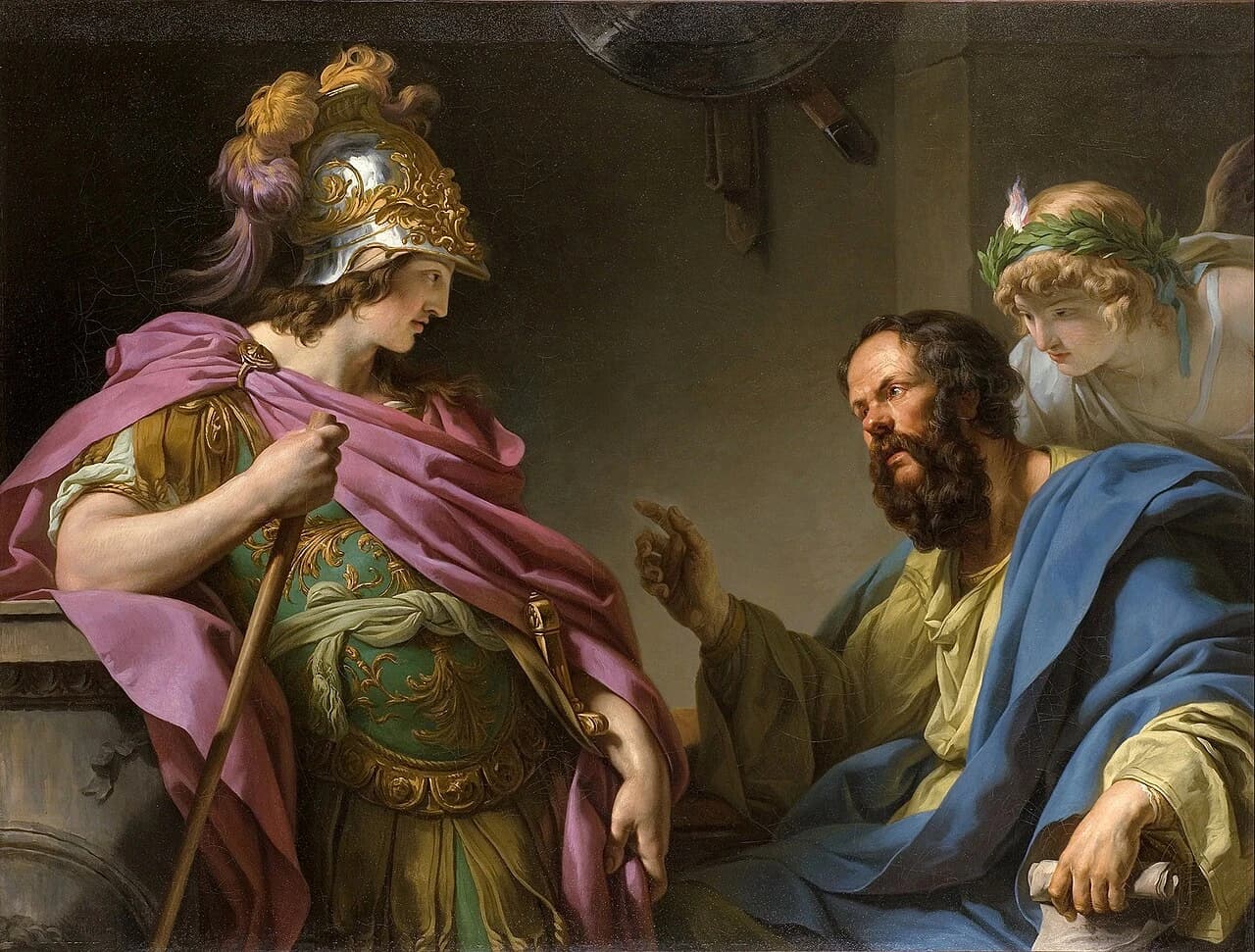
A week in a fishing village taught me that the best travel moments are the ones you don't plan, like learning the rhythm of a lighthouse or the name of a baker's burnt loaf.
Slow travel isn't about seeing more—it's about seeing deeply. A manifesto for staying put, embracing boredom, and letting a single place reveal its secrets.
A paper map, creased and coffee-stained, still knows things a screen forgets — like how to get pleasantly lost.
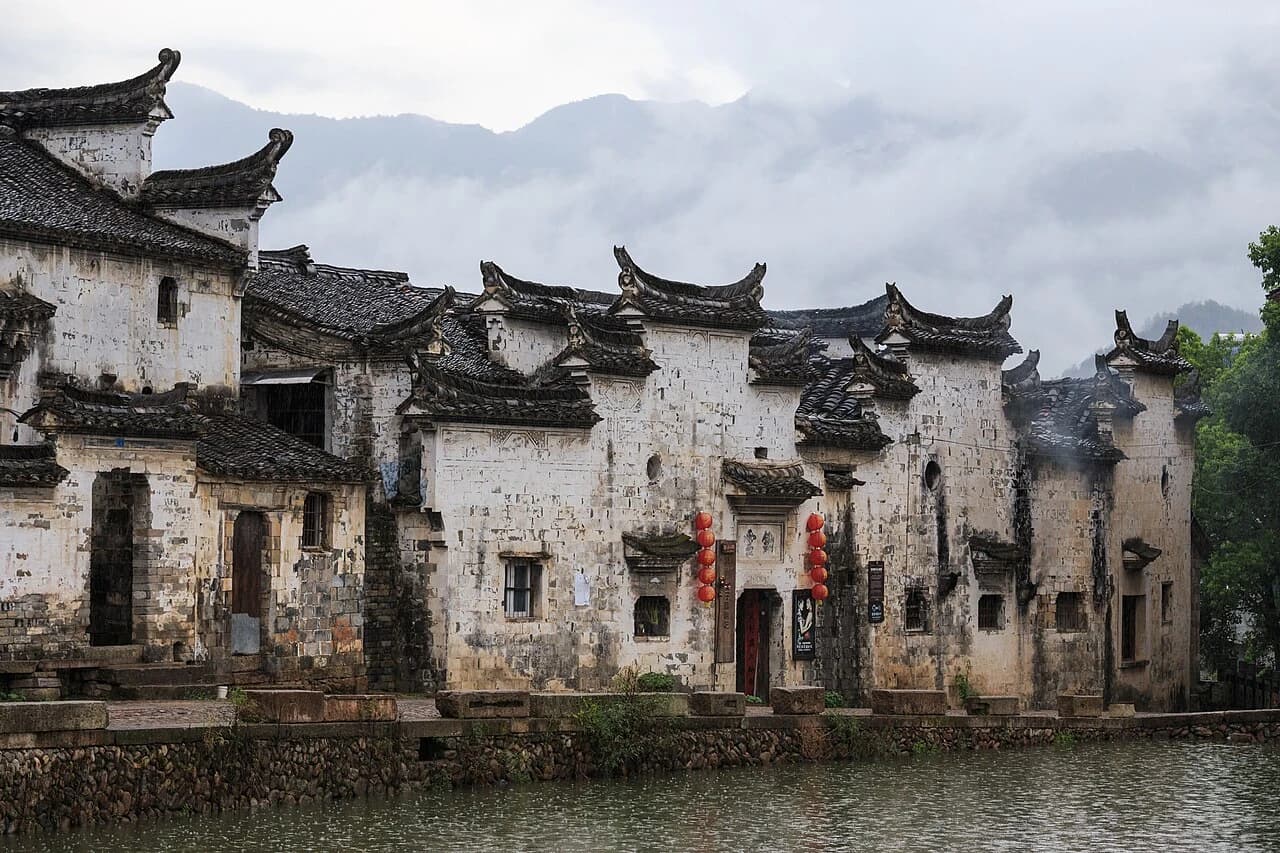
A paper map disagrees with the street in front of you, and that disagreement is the whole pleasure of slow travel.
Border towns are more than just transit points—they're vibrant intersections of culture and history. Discover why slowing down in these liminal spaces offers a travel experience like no other.
A paper map doesn't just show you where to go—it gives you permission to wander. On a slow journey, the creases, blanks, and worn edges become a companion rather than a commander.
A long overnight train ride strips away your schedule and your phone signal, leaving only the rhythm of the rails. What remains is a lesson in surrender, and a quieter way of moving through the world.
Four days in the seam between two countries, where currency, language, and daily routine blur into something ordinary and entirely its own.