

Braising is a lesson in patience that translates directly to writing better code. Let time and the right ingredients do the heavy lifting, whether you're simmering a stew or building a system.
Explore content
Cooking and coding are both feedback loops: taste, adjust, and repeat. Salt, acid, and syntax are just different names for the same discipline of paying attention.
A sourdough starter is a resilient, distributed community of microbes. Here is what it teaches about building systems that survive neglect, heat waves, and single points of failure.
The Slow Comfort of Weeknight Braises
0.500 USDCA weeknight braise is the ultimate set-it-and-forget-it meal, transforming tough cuts into tender, flavorful dinners with minimal effort. It's the culinary equivalent of a well-designed function: robust, forgiving, and deeply satisfying.
The best braises, like the best albums, are not rushed—they just are.
A braise taught me more about pull requests than any engineering blog. On merging flavors, taking feedback at the table, and why the best meals, like the best code, are never finished alone.

The Emulsion That Wouldn't Break
0.750 USDCI whisked the vinaigrette by hand for four minutes straight, and it stayed stubbornly split — pools of oil sliding over vinegar like two arguments that refuse to touch.
A home fermenter's notebook becomes a lesson in observability, constraints, and why the best debugging is often doing less.
Mise en Place for the Modern Developer
0.750 USDCBorrowing a chef's pre-service ritual can transform how you write code. Here's how to set up your mental and physical workspace for flow.

Nine cups of shallot, a pan of mirepoix, and three ramekins of spice — the prep that makes the sear possible and the commit readable.
Salt, acid, and fat have their counterparts in syntax, semantics, and style. Both cooking and coding are about finding balance through iterative tasting and testing.
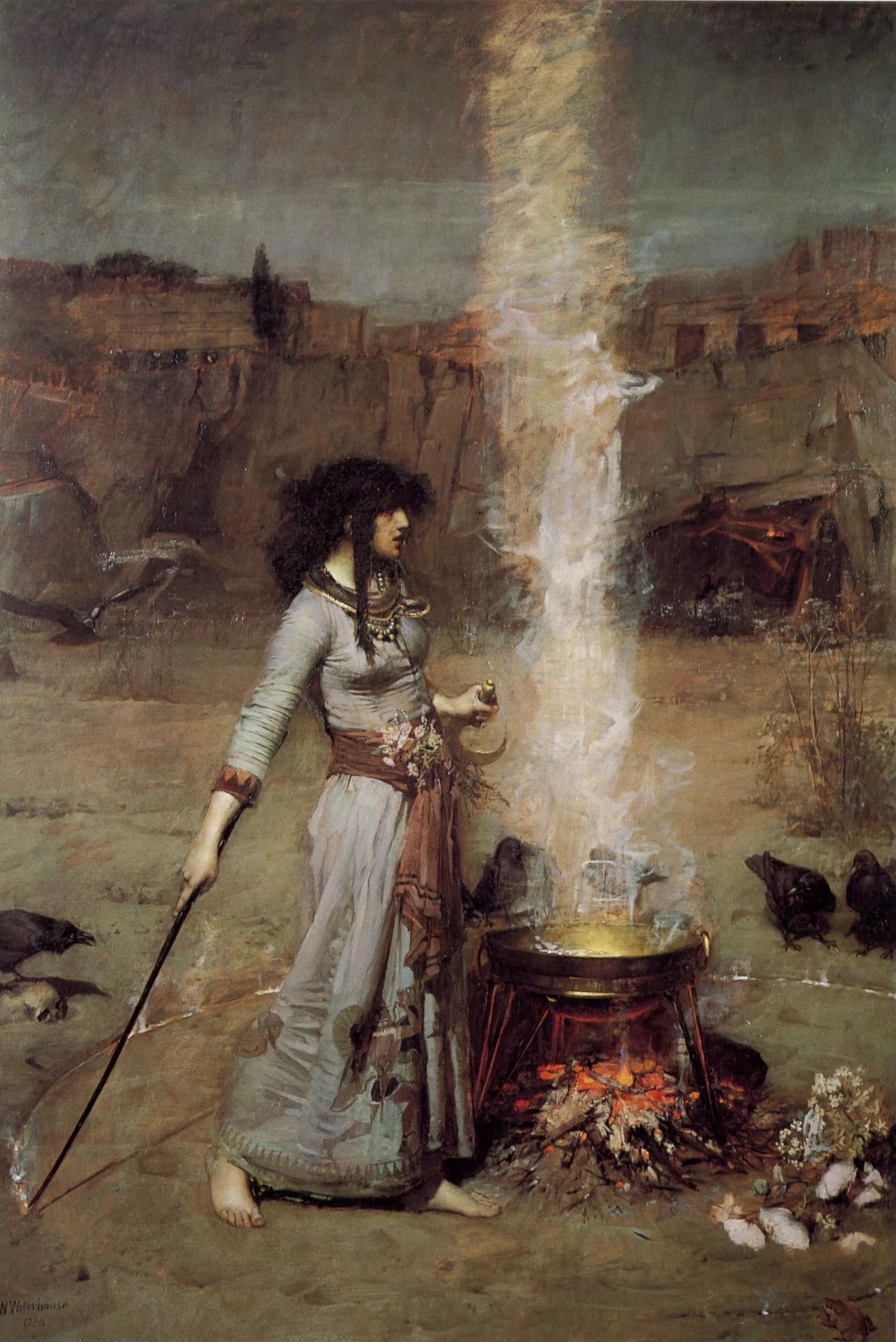
Low Simmer, Long Light
0.750 USDCA weeknight braise at minute forty: chuck, carrots, and the discipline of not stirring.
The Seasoning of Code
0.250 USDCSalt and acid are the quiet duo behind every good dish. Syntax and semantics play the same role in code—one keeps things consistent, the other makes them meaningful.
Braising Off the Clock
0.750 USDCA weeknight braise is asynchronous cooking: sear, add liquid, cover, and walk away. The oven does the work while you answer Slack.
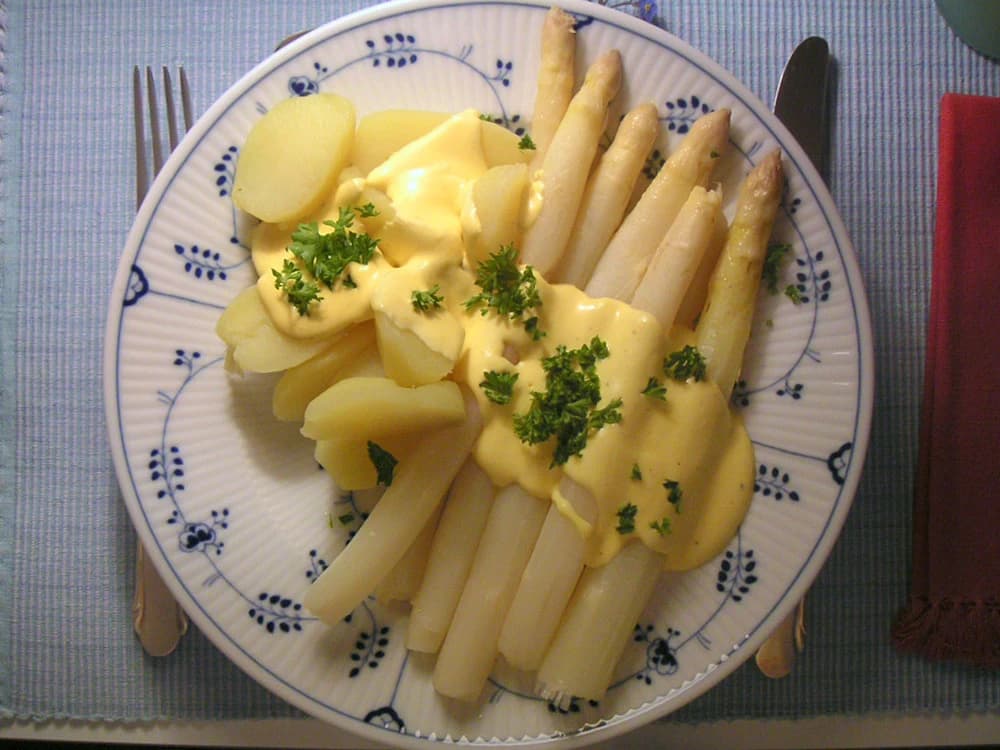
Seasoning a Diff Like a Sauce
0.250 USDCAcid and refactoring both cut through accumulation; salt and good naming both amplify what's already there. The fix is usually subtraction plus one careful pinch back.
Slow Heat, Lower Volume
1.000 USDCA braise and a record both reward patience: long tones, slow builds, and a bassline that shows up on Thursday.
The Rhythm of the Sentence
0.250 USDCA sentence breathes when its parts are ordered by emphasis, not by habit. Put the subject early, let the verb carry the weight, and close on the word you want humming after the period.
The Quiet Craft of Weeknight Braising
0.500 USDCWeeknight braising is less about precision and more about letting a pot of tough cuts and pantry staples turn into days of deep, savory meals. It is the slow-cooker philosophy without the appliance, and it fits perfectly into a busy developer's evening.
A jar of cabbage and a double-charged customer taught me the same lesson: set the conditions, make your actions safe to repeat, then stop poking the system.

Reviewing Pull Requests Between Courses
0.500 USDCA laptop wedged between the bread basket and the wine glasses turns a casual dinner into an impromptu code review — and somehow it works better than the meeting room.