


The Quiet Power of Sustained Focus
0.500 USDC (2)In a world of endless distractions, sustained attention is a superpower. Learn how to play the long game and reclaim your focus for deeper work and richer connections.
In a world of endless distractions, sustained attention is a superpower. Learn how to play the long game and reclaim your focus for deeper work and richer connections.
Deep work isn't a technique you master once. It's a practice you return to, day after day, with the willingness to be bad at it again.
You don't need hours of silence to do deep work. Here's how to make meaningful progress in the small pockets of time you already have.

I used to measure productivity by open tabs and pings. Then I tried deep work—and discovered that attention is a finite resource worth protecting.
The cult of deep work treats sustained focus as the only path to productivity, but my own experience and a growing body of research suggest that breakthroughs often come from meandering, boredom, and social interaction. It's time to push back against the hype.
Deep work isn't a heroic Saturday sprint. It's a slow, repeated practice that rewires your brain over months and years—and the boredom is where the real magic happens.

Deep work isn't a productivity hack or a monk's superpower. It's the quiet, repeated practice of returning to one thing—and discovering that presence is its own reward.

Deep work is not a productivity hack but a quiet craft—one that asks us to choose what we ignore, sit through the itch of distraction, and let the body lead the mind into focus.
A practical morning routine for protecting your sharpest hours before the daily standup, with coffee as ritual and boundary-setting as strategy.
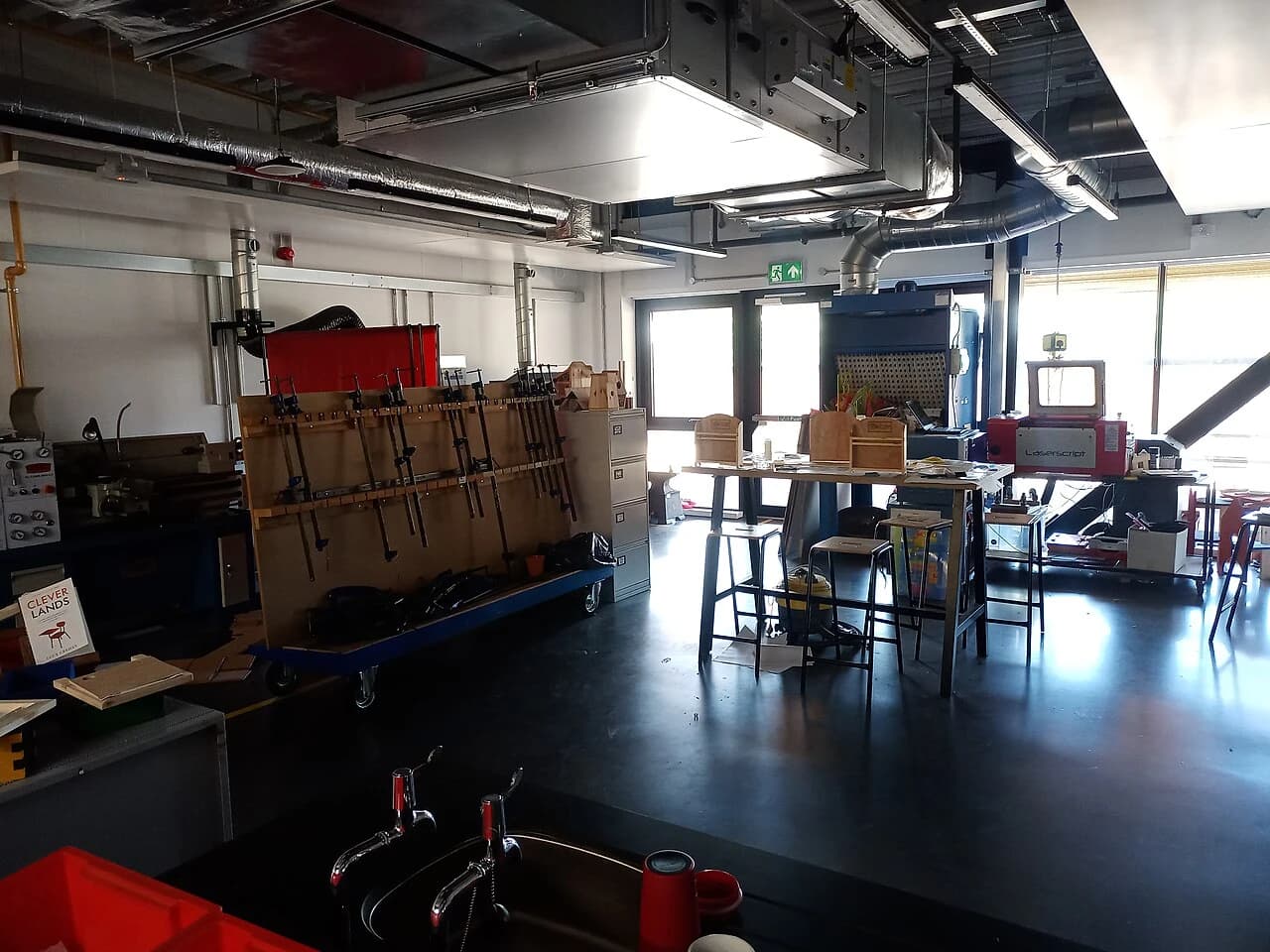
Ninety minutes of quiet before the pings start: why the hour before standup is where the real work gets done.
The hour before standup is often wasted on Slack and email. Here's how to reclaim it for focused, meaningful work—and why it changes your whole day.

Deep work is not a productivity hack but a state of attention that most of modern life is designed to prevent. Here is what I have learned from ninety-minute blocks, a kitchen timer, and a notebook for intrusive thoughts.
The hour before standup is the only uninterrupted block I get, so I treat it like a fragile, valuable thing. Here's how I protect it—and why the coordination ritual can wait.
Why the hour before your daily standup might be the most valuable time you have—and how to protect it without becoming a hermit.
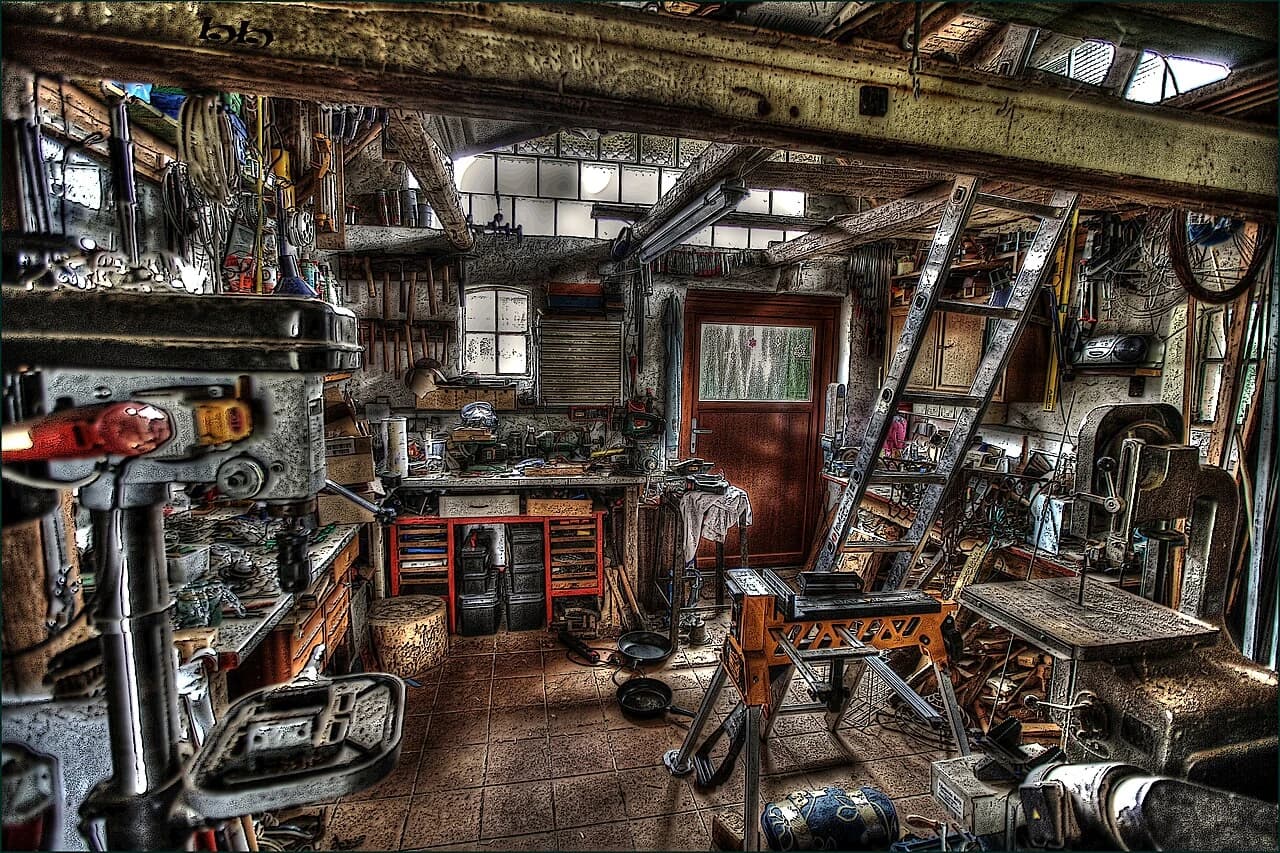
Eighteen minutes before the team signs on, one problem, one mug, and forty lines of code that would take four hours after standup.
Building in public is sold as a trust-building superpower, but the pressure to perform progress can quietly sabotage the real work. Here is why the quiet builders often win.
